
What Is 'Sense of Place' in a Cornish Garden — and Why It Should Guide Every Decision
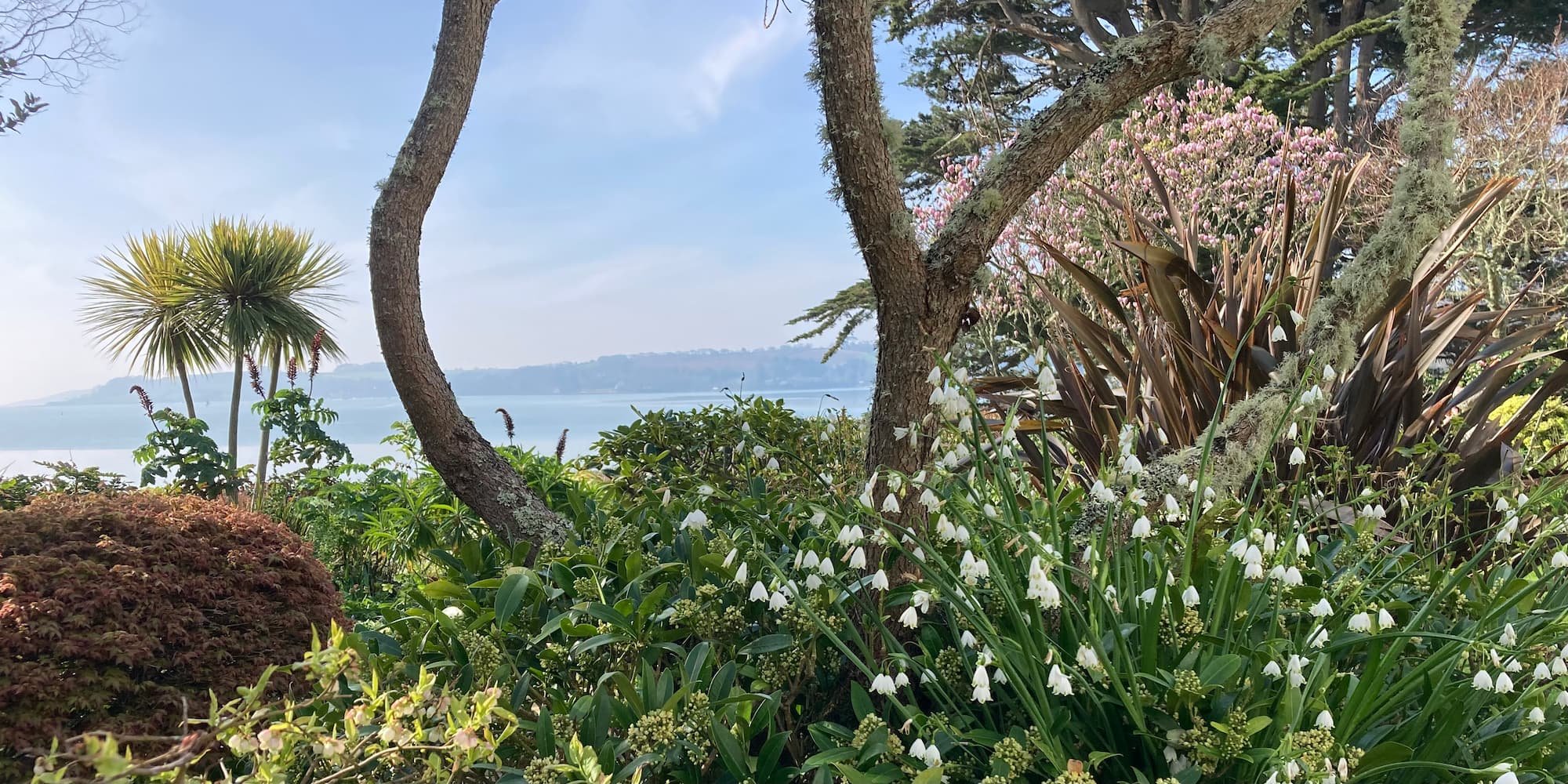
There is a moment, arriving into certain gardens in Cornwall, where something happens that is difficult to name. It isn't just that the planting is beautiful, or that the design is clever. It is something more atmospheric — a feeling that this garden could only exist here, in this county, in this particular light. That quality has a name. Landscape architects and garden designers call it Genius loci, or 'sense of place', and understanding it is, I would argue, the single most important principle in Cornish horticulture.
It is also, quietly, one of the things most at risk as our climate changes.
What sense of place actually means
Sense of place is more than aesthetics. It describes the complex web of connections and attachments that people develop with the environments they experience — through sight, smell, sound, memory, and repeated encounter. It is both personal and collective. A garden visited once on a childhood holiday and never forgotten. The particular smell of a coastal garden after rain. The sight of agapanthus flowering blue against a granite wall in August.
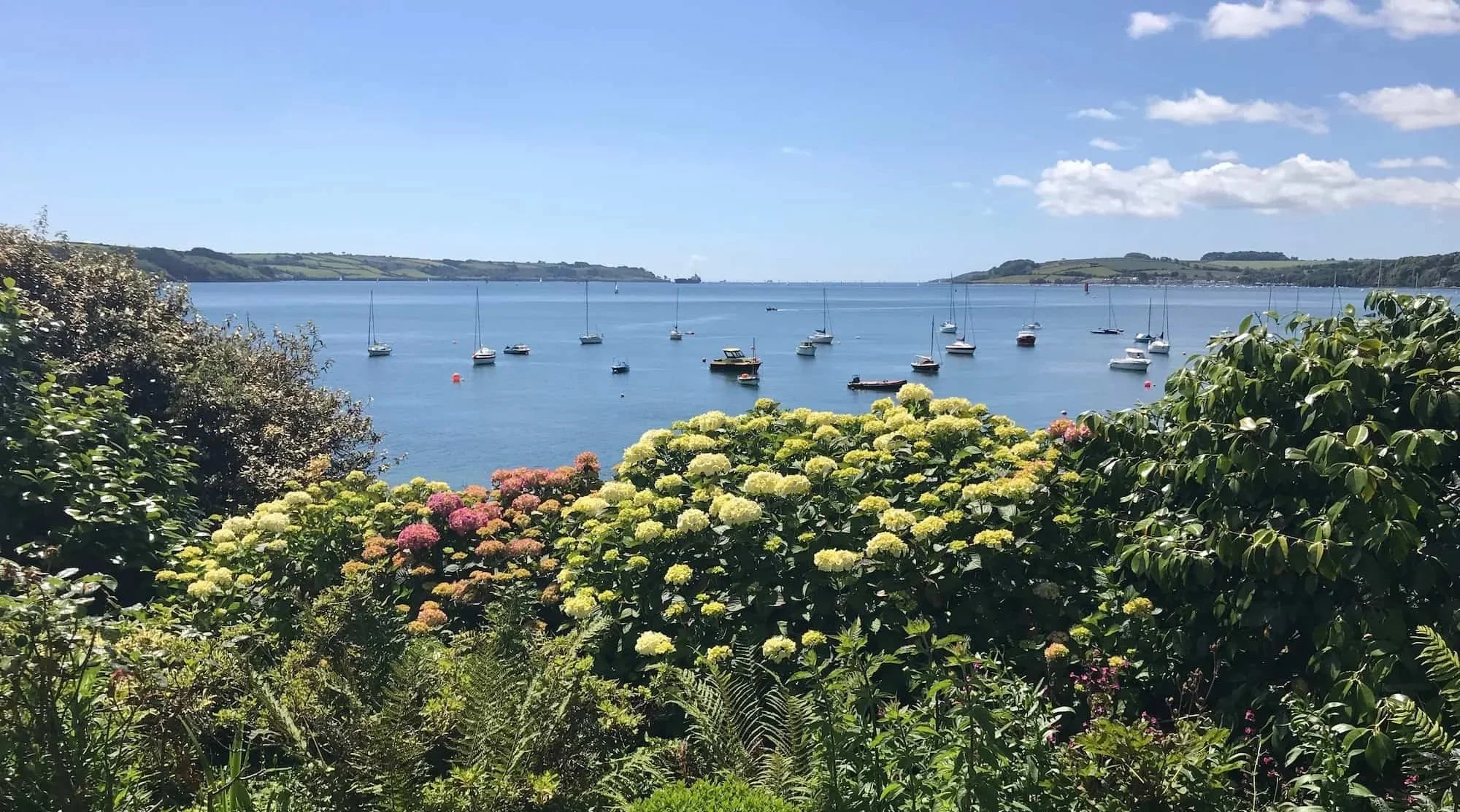
In Cornwall, sense of place has been shaped over centuries by a very specific combination of factors: the maritime climate, the underlying geology, the light, the proximity of the sea, and the extraordinary range of plants that Cornwall's mild winters allow. Walk through St Ives, Falmouth, or Penzance and the planting tells you immediately where you are. Cordyline australis rising above garden walls. Trachycarpus fortunei fronds catching the Atlantic wind. Agapanthus lining paths and spilling onto pavements in late summer. These are not merely decorative plants. They are part of Cornwall's identity.
The plants that define Cornwall
Every garden has its own signature species — the plants that, more than any others, define its character and atmosphere. At a county level, Cornwall has signature plants too, and they are under pressure from several directions simultaneously.
Agapanthus, one of the most recognisable sights in Cornish coastal gardens, faces a growing threat from agapanthus gall midge, an increasingly prevalent pest that disfigures flowers and weakens plants over time. Cordyline australis has been dying in significant numbers across Cornwall due to cordyline slime flux and the combination of cold, wet winters that the species, despite appearances, does not handle well when prolonged.
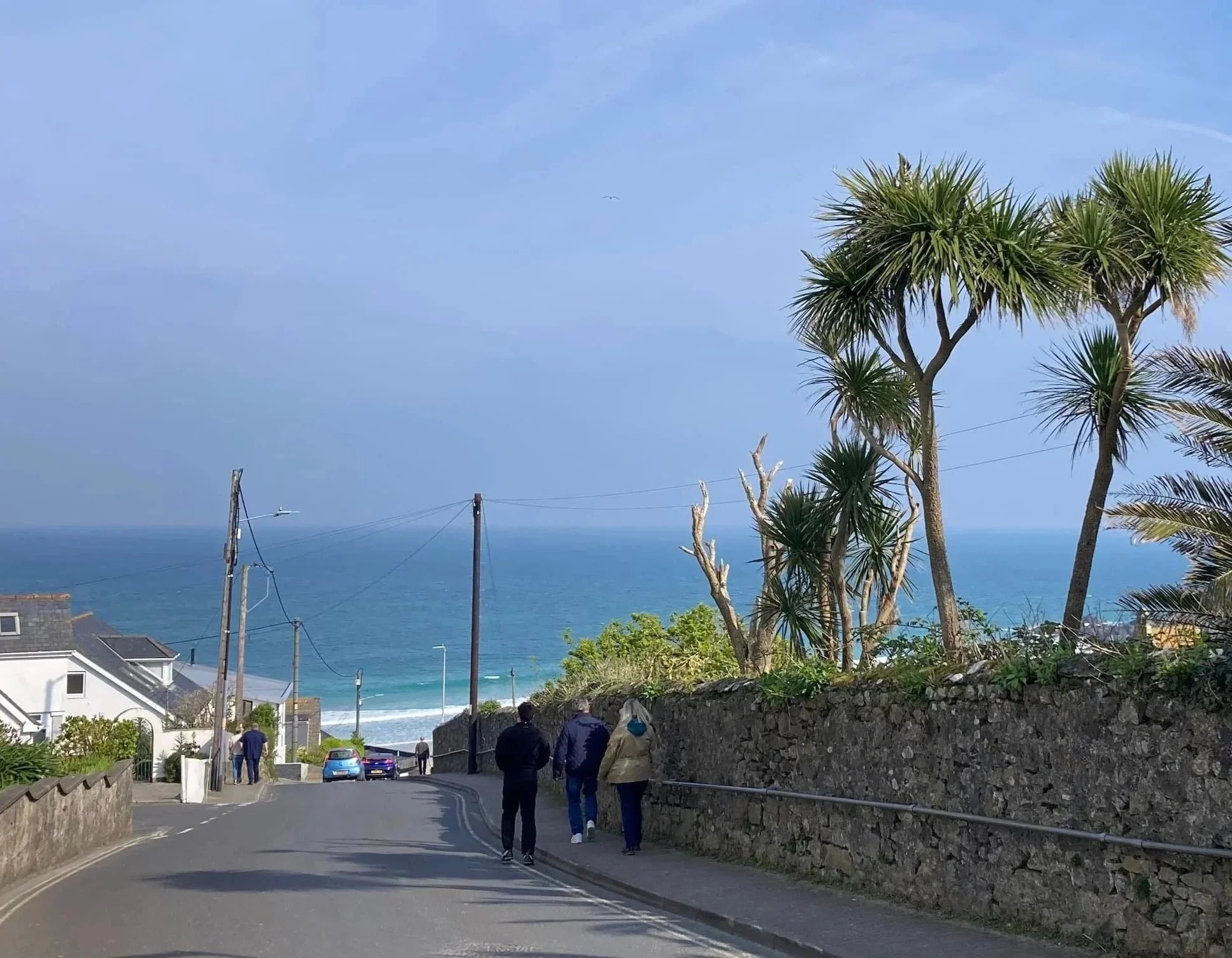
Walk along any coastal street in west Cornwall and you will see the gaps where fine old specimens once stood — sometimes replaced, sometimes simply absent.
These losses are easy to overlook individually. Cumulatively, they represent an erosion of something that took generations to establish and cannot simply be replanted overnight. This is why I think the concept of sense of place deserves to be taken seriously not just by heritage garden managers, but by every garden owner in Cornwall. Understanding what gives your garden — and your immediate landscape — its particular character is the foundation on which every good decision about planting, maintenance, and development should rest.
I explore the specific plants most at risk in more detail in my article on signature plants of Cornwall, but the broader principle begins here.
Sense of place in the great Cornish gardens
Cornwall's large public and private gardens illustrate this principle at its most vivid. The great valley gardens — developed predominantly in the nineteenth century using plants brought back by collectors including William and Thomas Lobb and Sir Joseph Hooker — have their own deeply embedded sense of place. Rhododendrons and camellias on steep valley sides. The filtered light of mature woodland canopies. The sense of enclosure and discovery as paths wind downhill toward glimpses of an estuary or the sea.
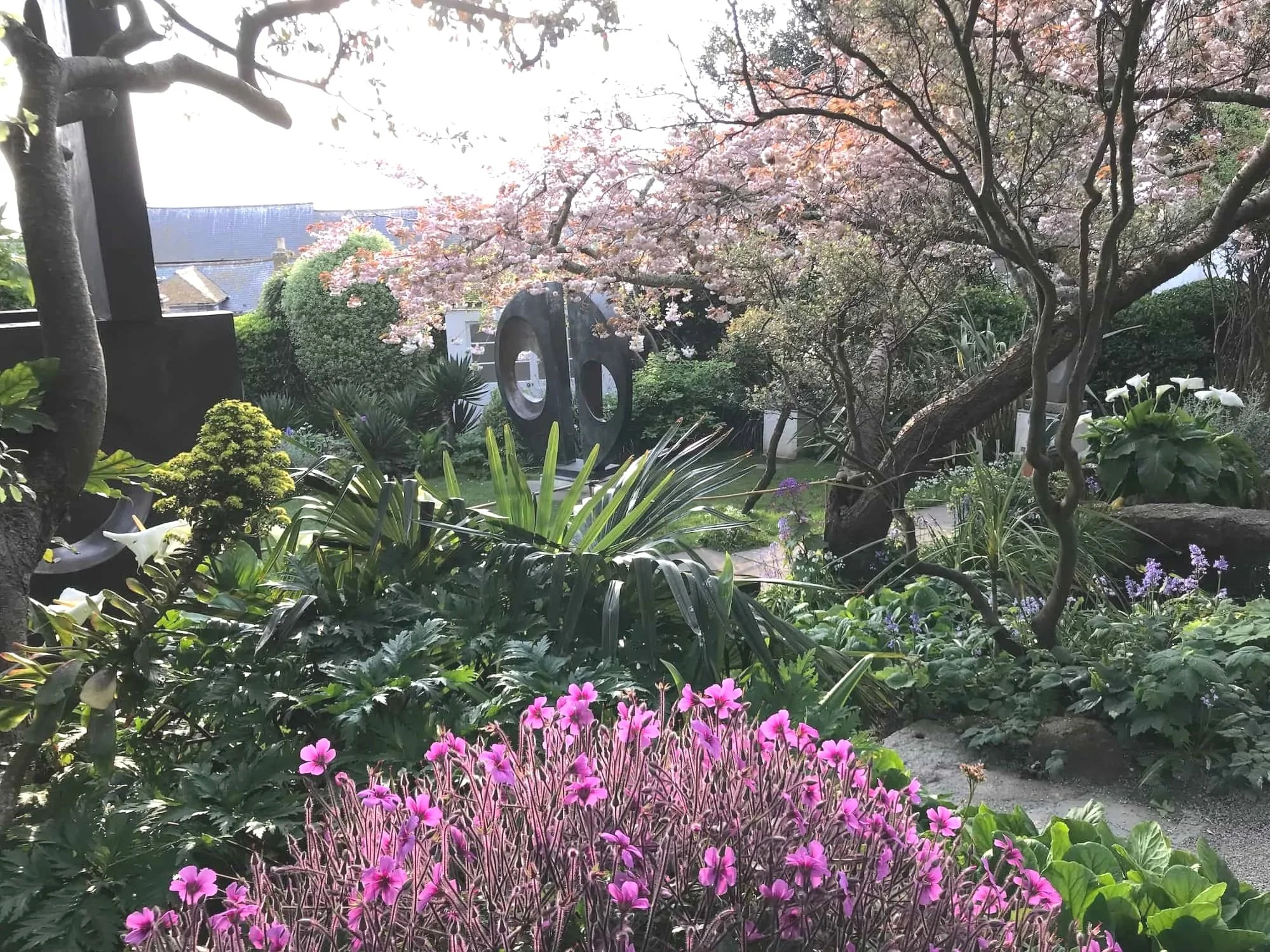
At the Barbara Hepworth Museum and Sculpture Garden in St Ives, where I work as head gardener, sense of place operates with unusual intensity. The garden was largely planted by Hepworth herself, and the relationship between the sculptures, the planting, and the light is not incidental — it was consciously composed. Prunus 'Accolade', planted by Hepworth in the 1960s, still flowers in the same spot today. Cinerarias (Pericallis x hybrida) create drifts of colour that have characterised the garden for decades. These are not merely plants. They are part of the artistic and historical fabric of the place, and managing them requires a different order of responsibility than routine gardening.
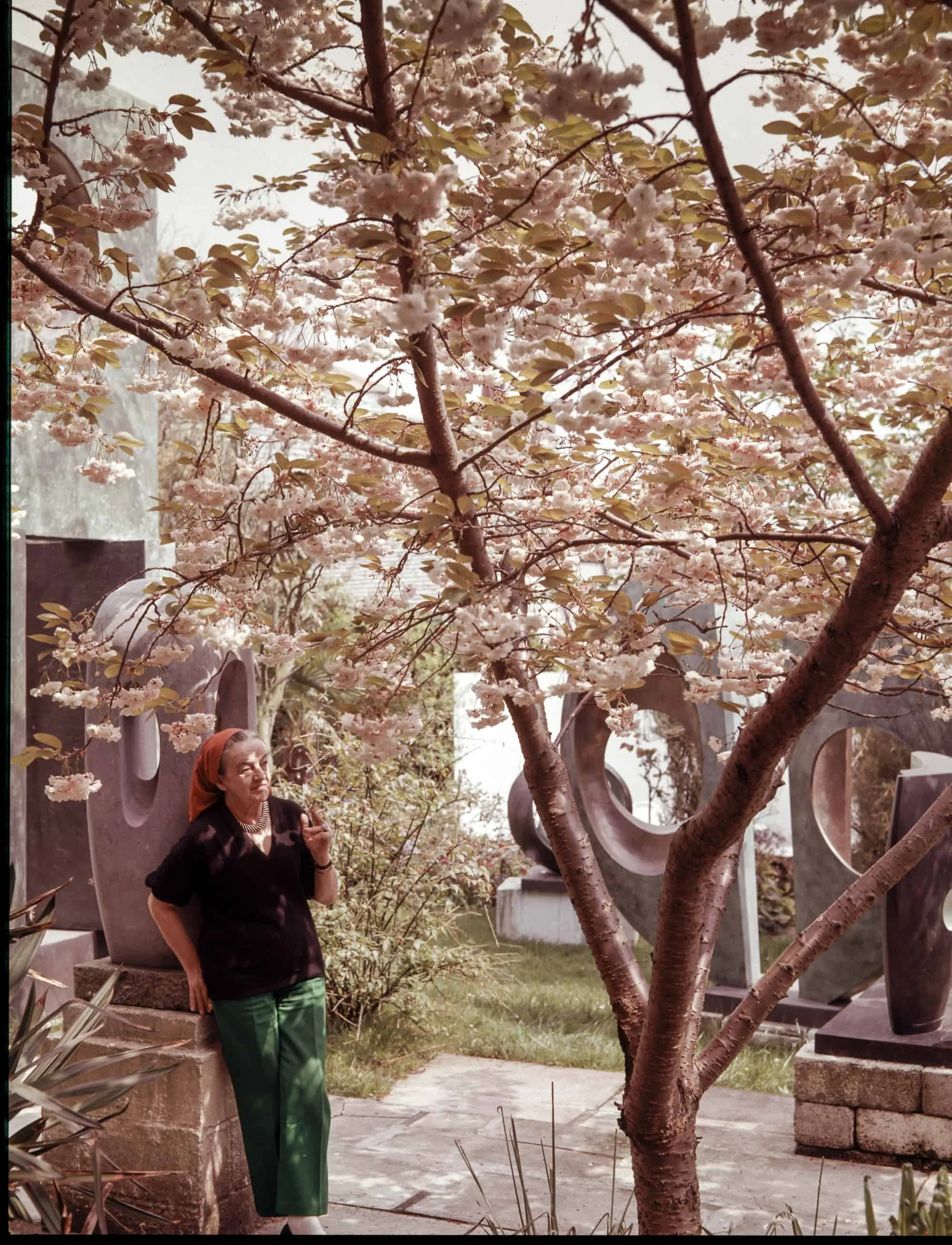
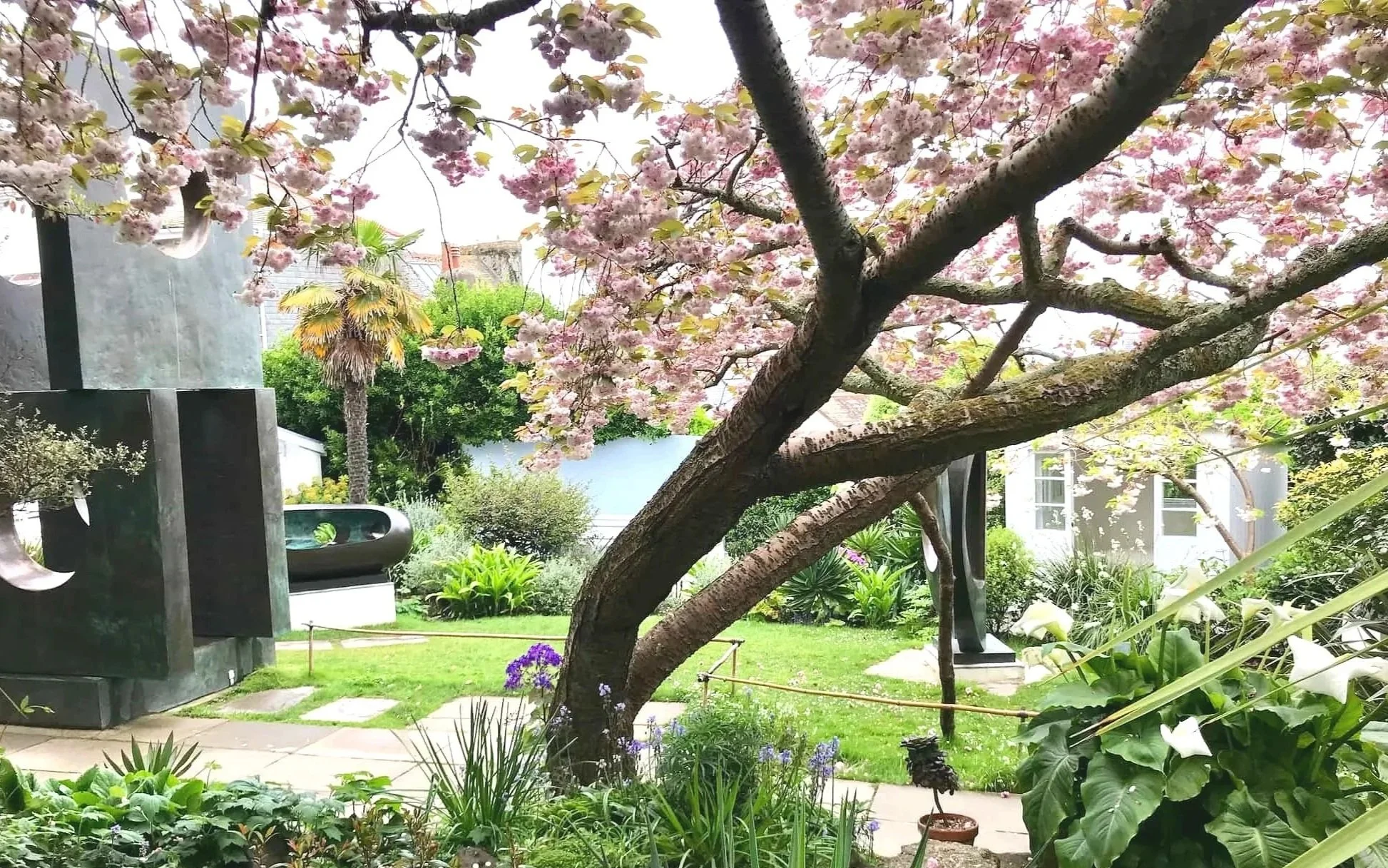
Image 1: Barbara Hepworth in her garden ~ 1970 copyright Bowness. . Image 2: same cherry tree 2025
This is the extreme end of the spectrum — a garden where historical authenticity is paramount. But the principle applies, in varying degrees, to every garden in Cornwall.
Why it matters for garden design
When I work on garden design projects in Cornwall, sense of place is always the starting point. Before any decisions are made about plants, structures, or layouts, the fundamental question is: what makes this particular garden feel like it belongs here? What are its signature characteristics — the views, the existing plants, the quality of light at different times of day, the relationship to the surrounding landscape — and how can new design decisions strengthen rather than dilute those qualities?
This approach matters especially for holiday homes and second properties in Cornwall, where gardens are often experienced by visitors arriving with a strong sense of what Cornwall should feel like. A garden that feels authentically Cornish — coastal planting, naturalistic structure, plants that clearly belong to this landscape — adds something real to the experience of a place. A garden that could be anywhere does not.
When sense of place and climate change collide
Here is where the challenge becomes acute. Climate change, as I explore in my article on how it is already affecting Cornish gardens, is putting pressure on many of the plants that have traditionally defined Cornish garden character. Hydrangeas struggling in dry summers. Camellias failing to perform as reliably as they once did. The slow attrition of Cordyline and Agapanthus in coastal gardens.
The temptation, when plants begin to fail, is simply to replace them with whatever is available, robust, and easy. But that approach, applied at scale, gradually strips a garden of the very qualities that made it worth visiting in the first place. The alternative — which I believe should be the guiding principle for every garden owner and manager in Cornwall — is to understand sense of place so clearly that any change, however necessary, is made in service of it rather than at its expense.
That might mean investing more resources in keeping signature plants healthy for as long as possible, through improved irrigation, soil management, or protection from extreme weather. It might mean, when a plant finally does need replacing, taking the time to find a climate-adapted species with genuinely similar aesthetic qualities rather than defaulting to whatever is easiest. It might mean, for commercial properties and business premises, thinking carefully about which plants define the character of the grounds and treating those as a priority within any maintenance programme.
Starting with the right question
Sense of place is not a luxury consideration for large heritage gardens. It is the right starting point for any garden in Cornwall, of any size or style. The question is not simply 'what shall I plant?' but 'what does this garden need to feel like itself?'
Answering that question well — drawing on genuine knowledge of plants, climate, ecology, and the particular history and character of a place — is what distinguishes thoughtful horticulture from mere garden tidying. It is, in the end, why the gardens of Cornwall are worth caring about so deeply.
Jodi Dickinson MHort(RHS) is a professional gardener and head gardener at the Barbara Hepworth Museum and Sculpture Garden, St Ives. Juniper Gardens provides specialist garden maintenance, garden design and ecological garden care across mid and west Cornwall. View Jodi's full profile here.