
How Climate Change Is Already Affecting Cornish Gardens
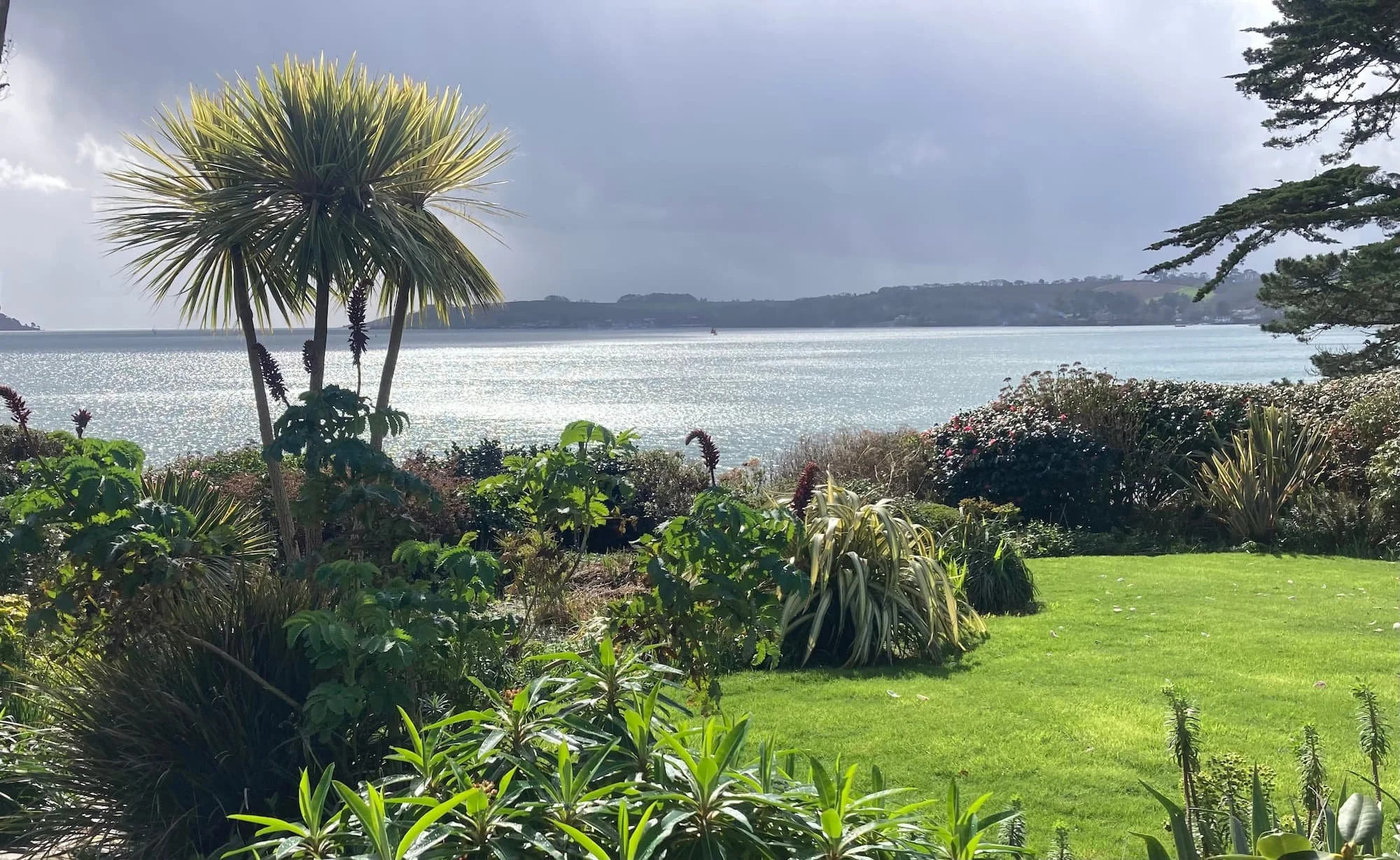
Cornwall has always felt a little different from the rest of England. The light is softer, the winters milder, and the gardens more adventurous — palm trees growing steps from the sea, tree ferns dripping with moisture, hydrangeas the size of armchairs. For generations, Cornwall's maritime climate has been its greatest horticultural gift.
But something is shifting.
Over recent years, working across gardens throughout mid and west Cornwall — including as head gardener at the Barbara Hepworth Sculpture Garden in St Ives — I have observed, first-hand, the early signs of climate change making themselves felt in our gardens. These are not distant predictions. They are happening now, in gardens I know well.
Drought stress where we least expected it
The summers of recent years have been a wake-up call. Plants that have long been considered reliable in Cornwall are struggling. Hydrangeas — those great billowing workhorses of the Cornish garden — have been visibly suffering in dry, hot spells, wilting in ways that would have surprised gardeners a decade ago. Camellias, Davidia involucrata, and even Fagus sylvatica (the common beech) have shown signs of drought stress, dropping leaves early or failing to recover their vigour as quickly as they once did.
At the Hepworth garden, we have watched Euonymus japonicus show signs of drought stress — notable because most horticultural references still list it as drought-tolerant. The reality on the ground is already outpacing the textbooks.
These impacts are not isolated incidents. They reflect a broader pattern that has significant implications for how we approach garden maintenance in Cornwall — requiring closer monitoring, more responsive care, and a willingness to rethink assumptions about which plants belong where.
Too much water, and then not enough
The challenge isn't simply that it is getting drier. It is that the weather has become more erratic and extreme. Wetter, more intense winters are arriving alongside drier summers. At gardens I have spoken with across Cornwall, paths have been undermined by sudden water deluges, mature trees destabilised, and drainage systems overwhelmed.
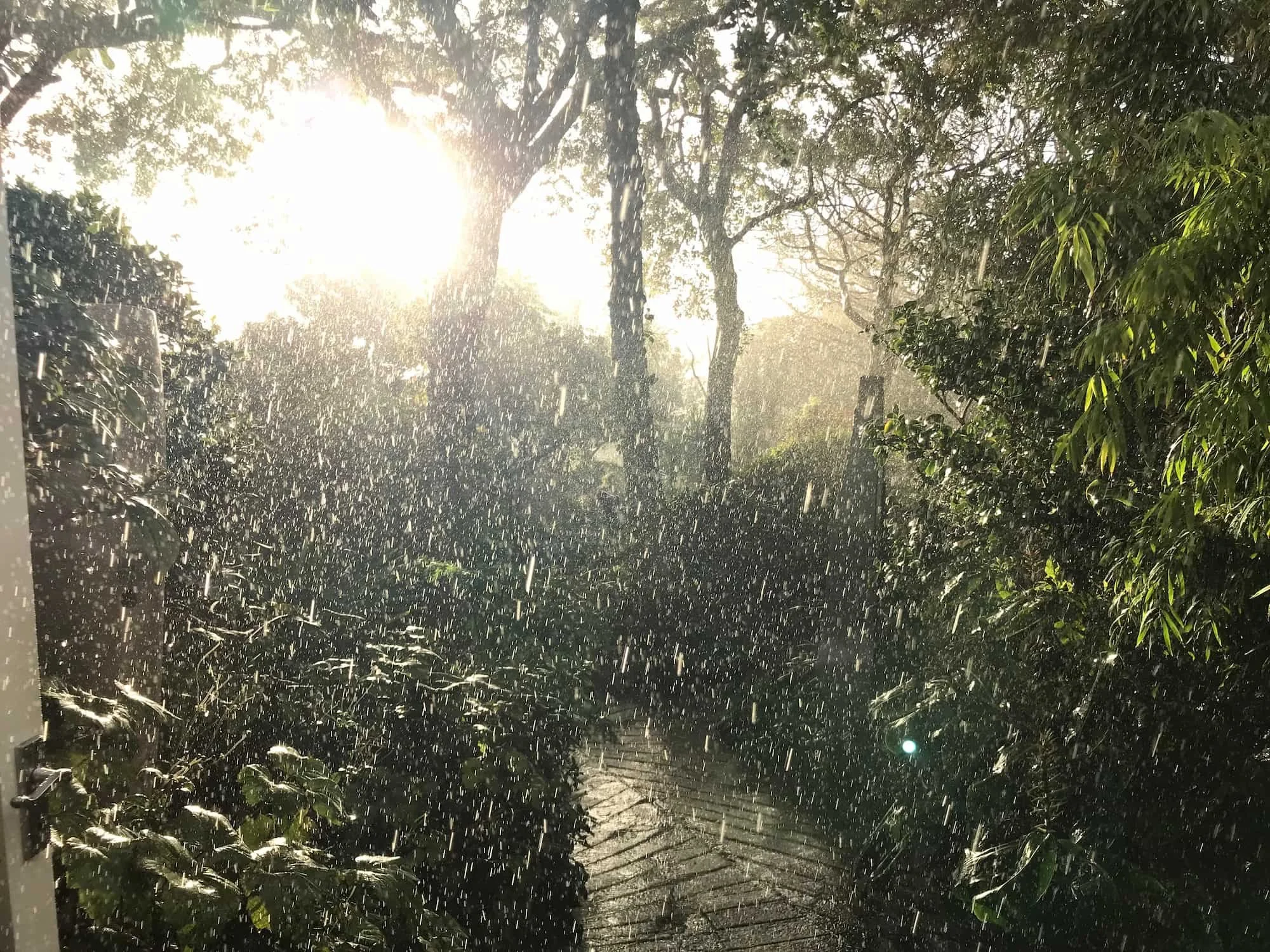
This is consistent with what the science tells us. The UK Met Office projects that by 2070, Cornish summers could be up to 57% drier and up to 5.8°C warmer, while winters become wetter with heavier rainfall events. The challenge for Cornish gardeners is learning to manage both extremes — drought and deluge — often within the same year. I explore practical strategies for this in detail in my article on water-smart gardening in Cornwall, but the starting point is simply recognising that our old assumptions about Cornwall's reliably moderate climate need revisiting.
A changing pest and disease landscape
Warmer temperatures are also shifting which pests and diseases gain a foothold. Plants already weakened by drought or waterlogging are more susceptible to attack, and some pests that previously could not survive our winters are now able to overwinter outdoors. Cornwall has already experienced the devastation that Phytophthora ramorum can cause — at Trengwainton, infected rhododendrons in adjacent woodland spread disease into the garden with serious consequences. Warmer, wetter winters are precisely the conditions in which phytophthora thrives.
Two of the most emblematic plants in Cornish coastal gardens are also under direct threat. Agapanthus faces a specific and growing risk from agapanthus gall midge, while Cordyline australis — that great symbol of the Cornish Riviera — has been dying in significant numbers due to cordyline slime flux and cold wet winters. Walk through St Ives, Falmouth or Penzance and you will notice gaps where fine old specimens once stood. This quiet erosion matters more than it might first appear, and I explore it further in my piece on signature plants of Cornwall and what their decline means for the county's sense of place.
The particular challenge for ecological gardening
For those of us committed to ecological and wildlife gardening, climate change adds another layer of complexity. The timing relationships between plants and their pollinators — built up over thousands of years — are being disrupted as some species respond to temperature changes and others to day length. Beneficial insects and pest insects are both affected, but not always in equal measure, and the knock-on effects through a garden's ecology can be subtle and slow to reveal themselves. Building biodiversity and resilience into planting is therefore not just an ethical choice but an increasingly practical one.

But there are opportunities too
It would be misleading to frame this only as a story of loss. Climate change is also bringing genuine opportunities to Cornish gardeners. Some plants that could previously only be grown with considerable care are now thriving with barely any intervention. At one contemporary Cornish garden I work with, palms planted thirty years ago and barely growing for much of that time have suddenly taken off. The boundaries of what is possible in Cornwall are shifting.
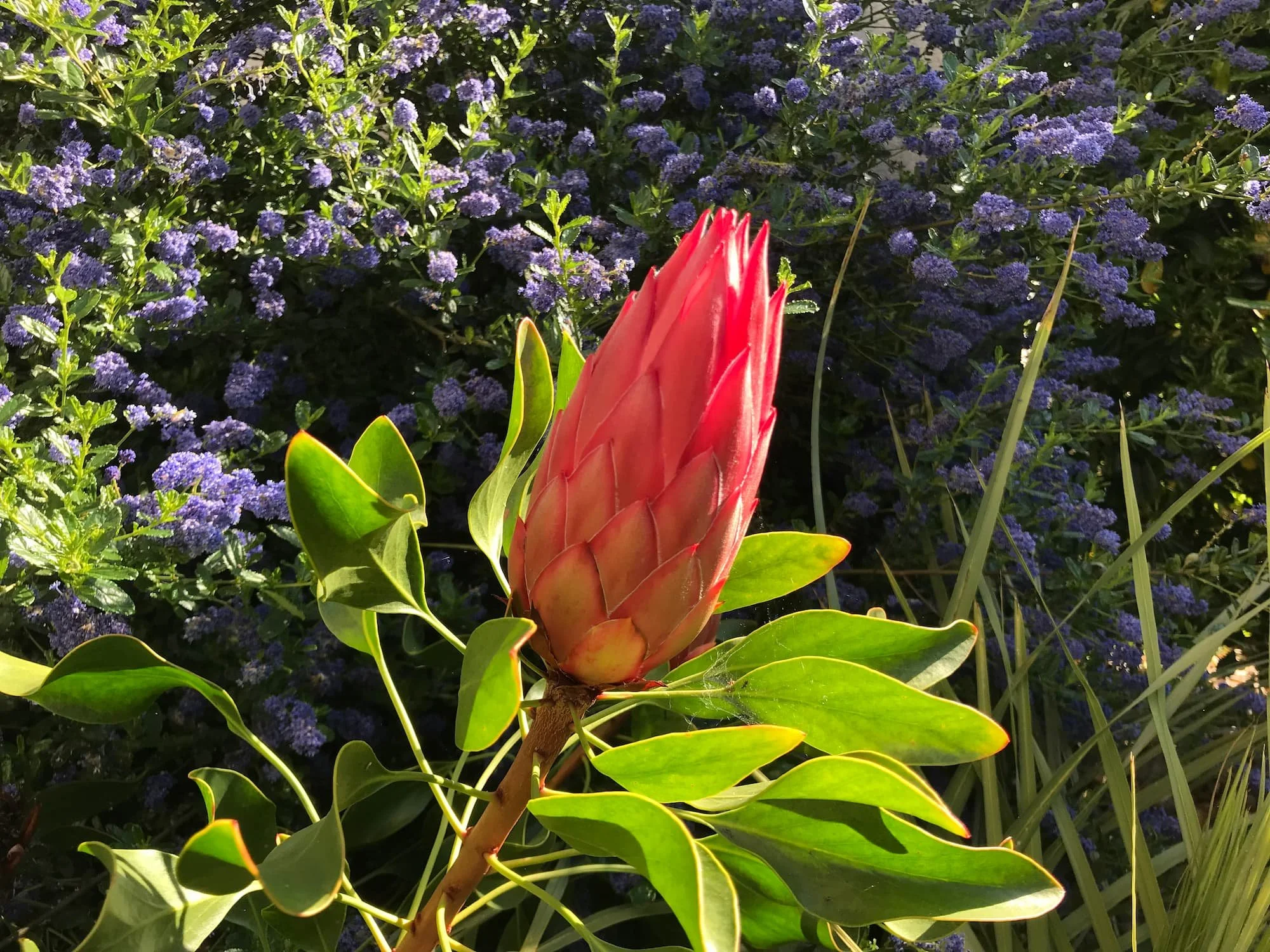
Hotter, drier summers align more naturally with Mediterranean and drought-adapted species — a whole plant palette that has historically struggled in our reliably wet climate but may now have a genuine future here. Cornwall has long attracted gardeners who want to push the boundaries of what is possible in the British Isles, and climate change, for all its serious implications, is in some respects extending that tradition. I look at this in more detail in my article on tropical and exotic planting in Cornwall.
For holiday home and second home owners in particular, warmer summers also bring the prospect of longer seasons and more outdoor living — making well-maintained, climate-adapted gardens an increasingly valuable asset for properties letting to visitors.
The gardener's role in this
None of this means that Cornish gardens should be unrecognisable in thirty years. What it means is that the gardeners, managers, and owners of these spaces need to be paying attention now. That means monitoring plant health carefully after periods of drought or storm, thinking seriously about irrigation infrastructure, reconsidering which species are being replanted and why, and building genuine resilience into the garden through biodiversity and thoughtful plant selection.
For commercial properties and business premises across Cornwall, this is equally true — the grounds around hotels, care homes, offices and hospitality venues are subject to the same pressures, and the same opportunities, as any private garden.
The gardens of Cornwall are part of what makes this place extraordinary. With knowledge, care, and a willingness to adapt, they can remain so.

Jodi Dickinson MHort(RHS) is a professional horticulturist based in Cornwall and head gardener at the Barbara Hepworth Museum and Sculpture Garden, St Ives. Juniper Gardens provides specialist garden maintenance and ecological garden care across mid and west Cornwall. View Jodi's full profile here.