
Ecological and Wildlife Gardening in Cornwall
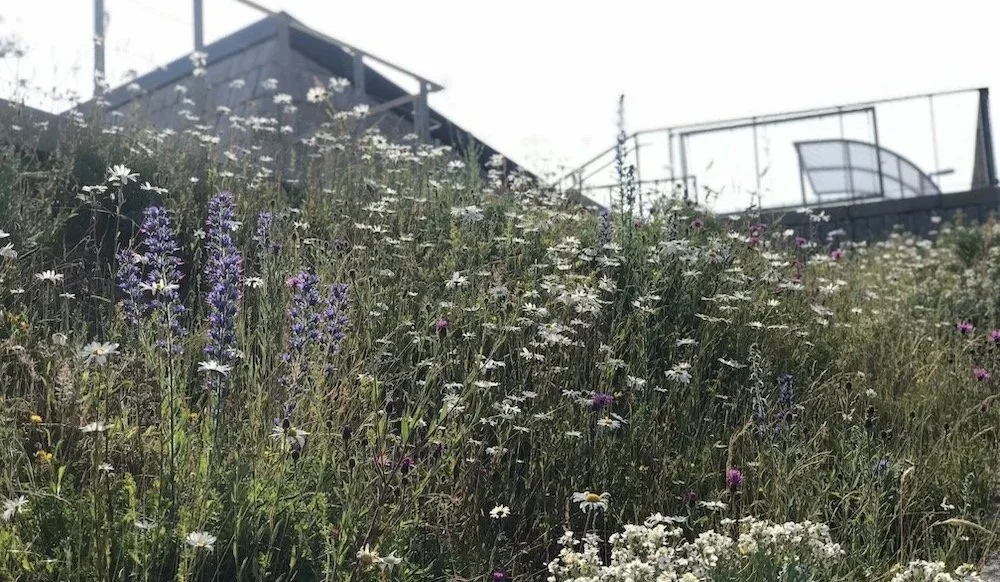
Juniper Gardens provides specialist ecological gardening services in Cornwall, helping gardens become richer in biodiversity and more resilient to changing climate conditions. As an experienced ecological gardener working across mid and west Cornwall, my focus is on soil health, habitat creation and thoughtful long-term garden management.
Cornwall's gardens have a particular relationship with the natural world — sheltered valleys, coastal scrubland, ancient hedgerows — and that relationship is under pressure from a changing climate. Understanding how to build genuine ecological resilience into planting is something I have researched in depth, and I explore the principles and their practical application in my article on building a resilient Cornish garden: the case for ecological planting.
Our work is guided by practical, sustainable horticultural methods and a broader understanding of the ecological, cultural and wellbeing value of gardens, explored in our article on why horticulture matters. Juniper Gardens is led by RHS Master of HorticultureJodi Dickinson, Cornwall garden designer and horticulturist.
This ecological approach sits at the heart of Juniper Gardens, a professional gardener in Cornwall, where biodiversity, resilience and long-term stewardship guide every project.
Birds are one of the clearest indicators of a healthy garden ecosystem. I design and manage gardens to provide year-round food, shelter, and protection, as part of our bespoke garden and planting design services. This may include:
Berry-bearing trees and shrubs for autumn and winter food
Leaving seed heads on perennials through winter
Dense and thorny shrubs where smaller birds can shelter from predators
A layered garden structure that mimics natural habitats
Supporting Birds & Local Wildlife

Improving soil health is key here. Healthy soil supports worms and invertebrates, which in turn support birds. Even simple practices such as mulching lawns and borders can lead to noticeable increases in bird activity, including birds feeding directly from the soil.
Soil Health as the Foundation of the Ecosystem
Healthy soil is the foundation of every ecological garden. It supports plant health, stores carbon, improves water retention, and underpins the entire food web.
I focus heavily on:
Improving soil structure and biology
Protecting soil life through minimal disturbance
Building organic matter wherever possible
Mulching and soil improvement not only benefit wildlife, but also reduce the need for watering, feeding, and ongoing intervention.
The water management dimension of soil health is increasingly important as Cornwall's summers become drier. Organic-rich soil holds significantly more moisture than impoverished soil, and combined with thoughtful mulching and appropriate plant selection, it forms one of the most effective responses available to Cornish garden owners. I explore this further in my article on water-smart gardening in Cornwall.
Using Soil as a Carbon Sink
Decaying plant material is essentially stored carbon. By returning organic matter back into the soil rather than removing it, gardens can actively contribute to carbon sequestration.
Wherever possible, I replenish soils with high-quality green waste compost. This:
Locks carbon back into the soil
Improves water-holding capacity
Increases nutrient availability
Builds resilience against drought and heavy rainfall
This is one of the most effective ways to future-proof Cornish gardens against increasingly unpredictable weather, while also supporting net-zero and beyond-net-zero principles.
Planting for Place: Local Species & Microclimates
Using plants that are well suited to the local environment is both ecologically and practically beneficial.
I prioritise:
Species native or well adapted to Cornwall
Plants suited to specific microclimates (for example coastal conditions, exposed sites, or damp soils)
Location-specific species such as sea aster in coastal gardens
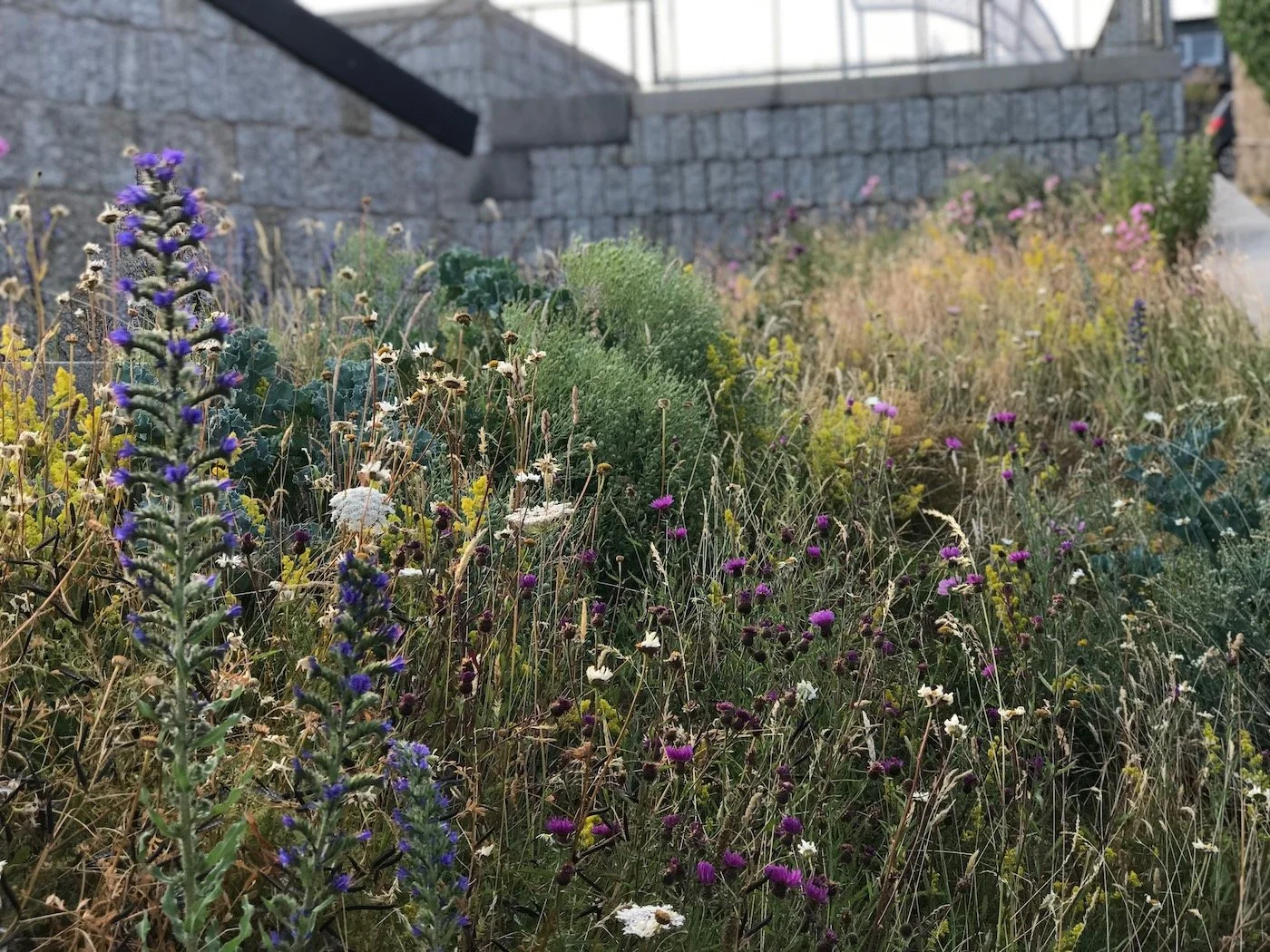
These principles are also applied in our commercial landscape management and grounds maintenance services. Plants that belong in a place tend to grow better, suffer fewer problems, and require less ongoing input — making this a more sustainable and lower-maintenance approach overall. Below is a native, wild flower meadow planted into a very free draining growing media in an exposed coastal location. It includes Echium vulgare, wild carrot, sea kale, lady’s bedstraw, musk mallow and more.
Choosing the right plants for a Cornish garden has never mattered more. The species that thrive here are changing as the climate shifts, and understanding which plants are genuinely suited to Cornwall's evolving conditions — and which are coming under increasing pressure — is a central part of ecological garden management. I look at this in detail in my articles on how to choose plants that will thrive in a Cornish garden and signature plants of Cornwall and why some are under threat.
Ecological planting also requires informed, ongoing care. You can learn more about our approach to long-term garden maintenance in Cornwall on our dedicated service page.
Wildlife Corridors & Habitat Connectivity
Gardens don’t exist in isolation. Creating habitat corridors allows wildlife to move safely between spaces, strengthening local ecosystems.
This can include:
Linked hedges and shrub planting
Continuous ground-cover layers
Reduced hard boundaries where appropriate
Even small gardens can play an important role in wider wildlife networks.
Native Plant Areas & Insect Support
Some areas of the garden — often slightly out of sight if aesthetics are a concern — can be allowed to develop into more diverse native planting zones.
These areas support:
Native insects and invertebrates
Butterflies and moths that rely on specific host plants
Pollinators throughout the season
I also avoid over-reliance on highly hybridised plants such as double flowers, which often offer little or no benefit to pollinators. Where possible, planting closer to the original species provides far greater ecological value.
Pollinator-Friendly Planting & Wildflower Areas
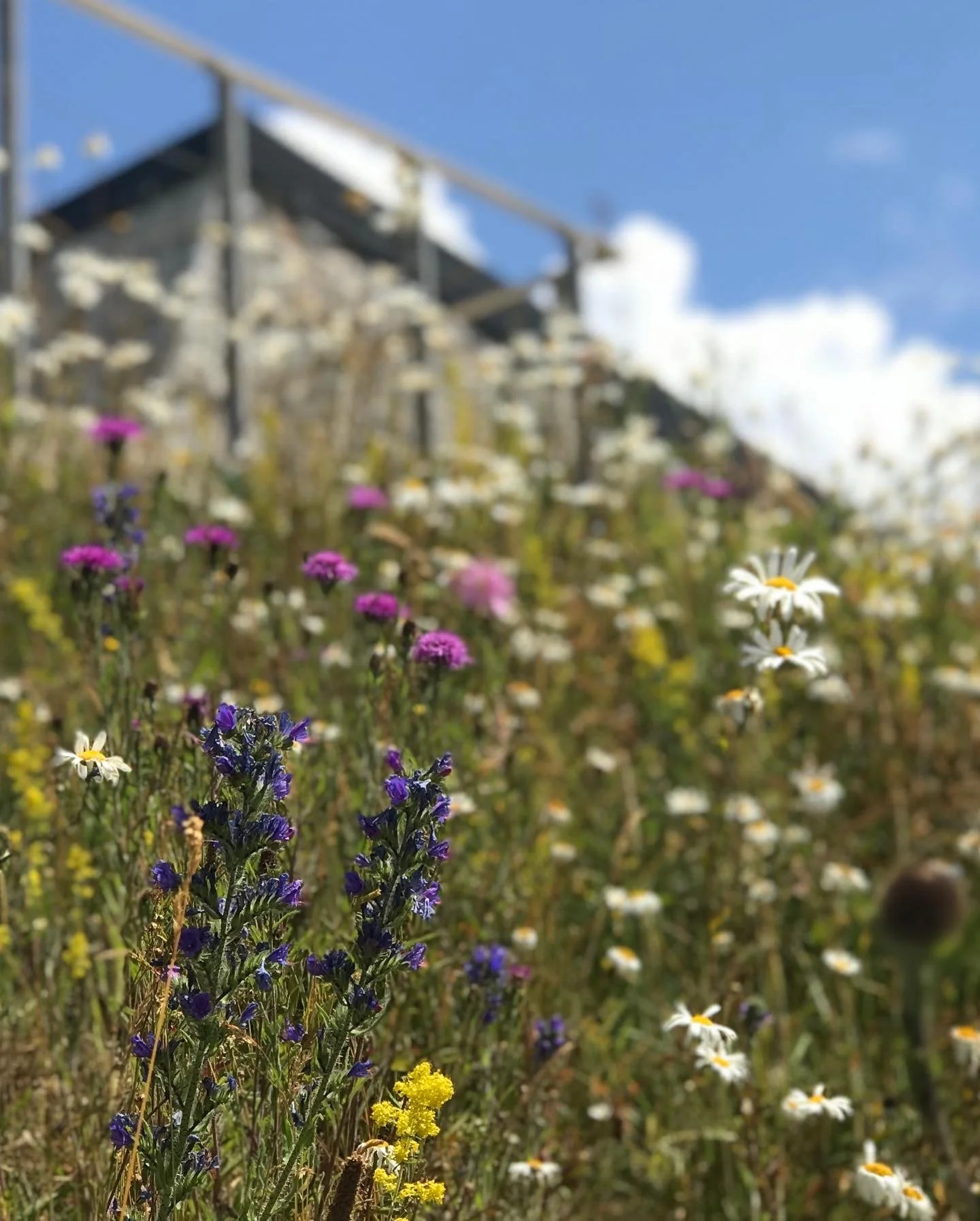
Pollinators need a continuous supply of pollen and nectar from early spring through late autumn.
This is supported through:
Wildflower areas where suitable
Thoughtful planting combinations for extended flowering periods
Leaving some areas slightly less “tidy” over winter
These spaces not only benefit insects, but also add seasonal interest and a more natural feel to the garden.
Log Piles, Invertebrates & Fungi
Invertebrates and fungi are essential for soil health, nutrient cycling, and structure.
I often incorporate:
Log piles for beetles, insects, and fungi
Retained dead wood where safe and appropriate
Natural materials that slowly break down into the soil
Depending on taste, these features can be purely functional or integrated as deliberate visual elements within the garden.
Layered Garden Structure
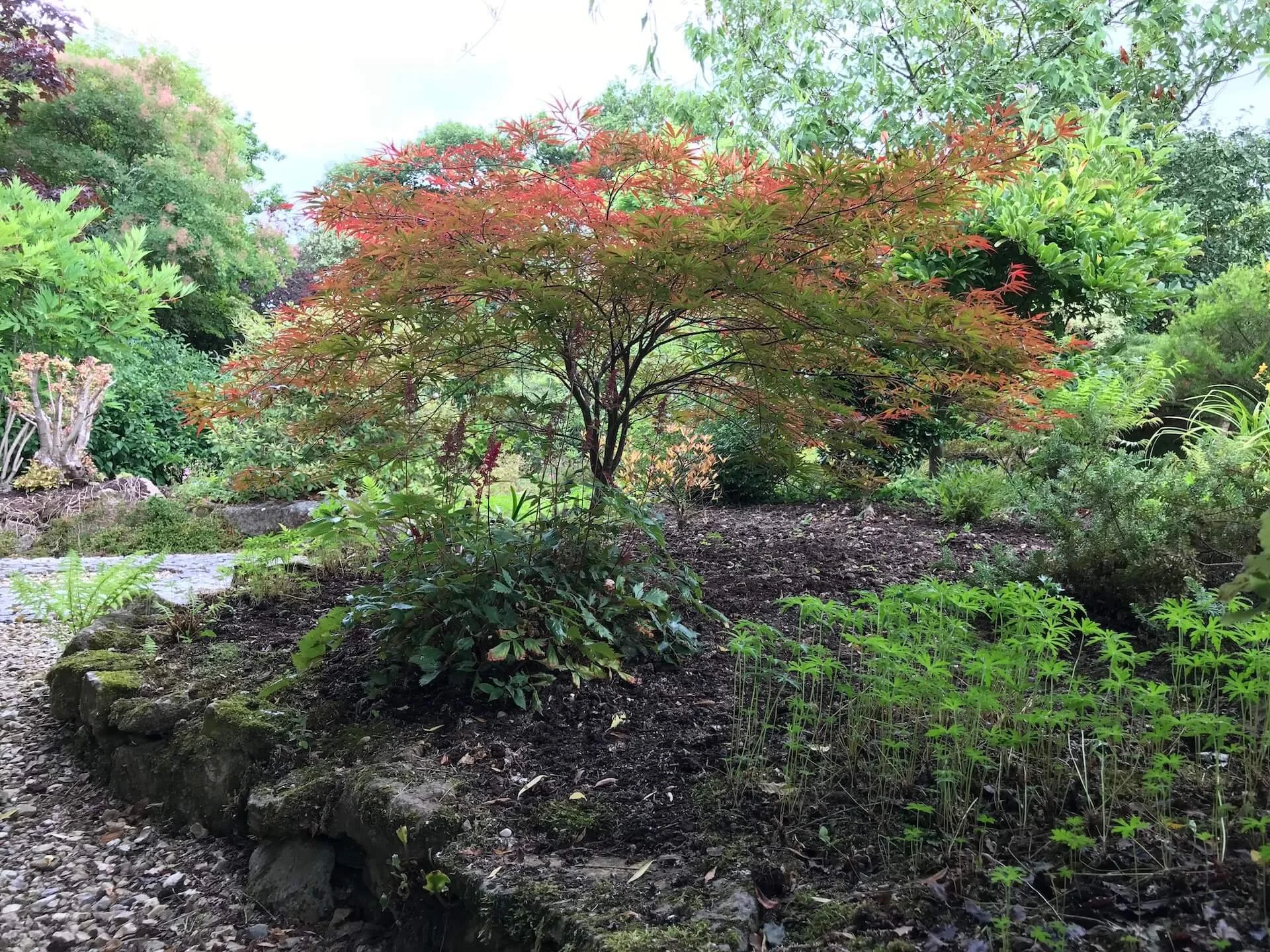
A layered garden provides a wider range of habitats and is generally more resilient.
This includes:
Trees
Shrubs
Herbaceous layers
Ground cover
This structure supports birds, insects, and soil life while also creating depth and interest within the garden. This approach to planting and landscape is also discussed in more depth in my page on Artistic Garden Design.
Responsible Use of Chemicals
Pesticides and herbicides are kept to an absolute minimum and only used where genuinely necessary.
The emphasis is on prevention through:
Healthy soil
Appropriate plant choice
Balanced ecosystems
Reducing chemical use protects beneficial insects, soil organisms, and wider wildlife.
Pest and disease pressure is shifting alongside the climate — some threats are intensifying, others are arriving for the first time. Understanding what is changing, and maintaining the close plant observation that allows early intervention, is fundamental to ecological garden management in Cornwall. I cover the emerging pest and disease landscape in detail in my article on pests, diseases and climate change: what every Cornish garden owner should know.
Naturalistic Design Elements
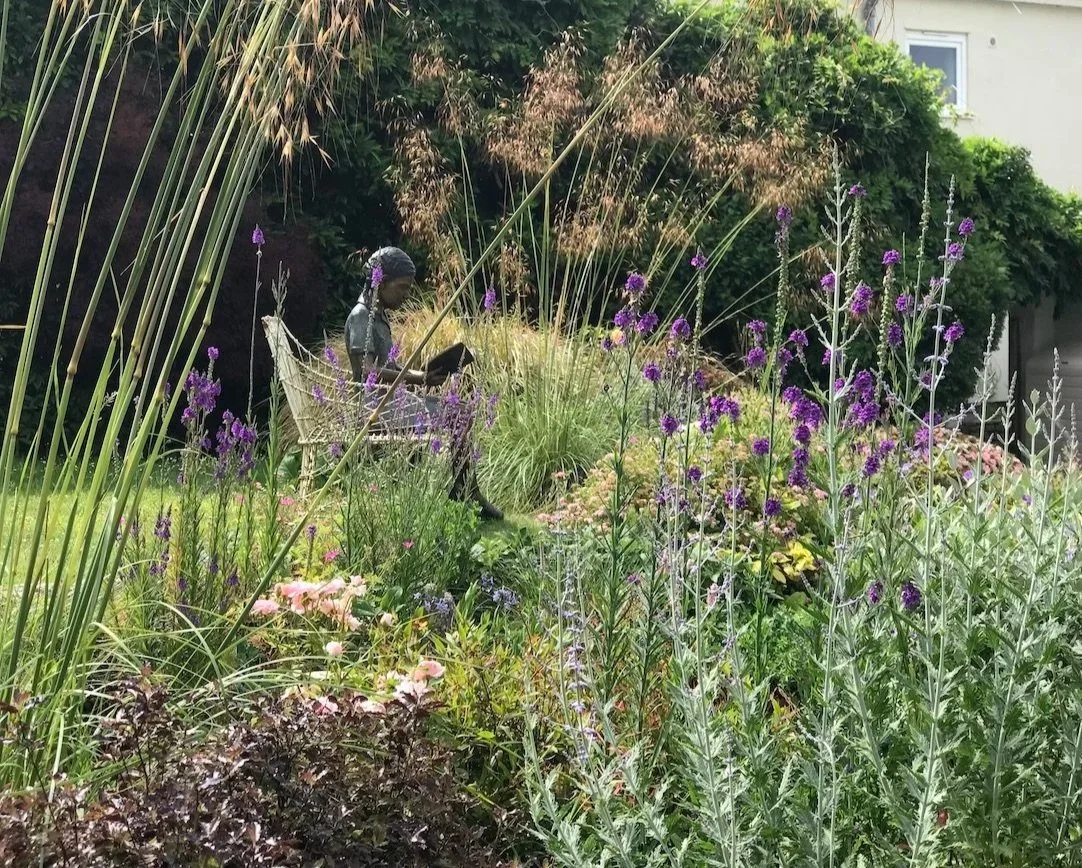
While not strictly for wildlife, elements such as ornamental grasses and naturalistic planting styles help gardens feel more connected to the surrounding landscape.
They also:
Complement ecological planting
Add movement and seasonal structure
Reduce the need for intensive maintenance
This approach is demonstrated in our naturalistic wildlife-friendly garden project.
The ecological approach to gardening connects directly to a broader body of evidence about the value of well-designed outdoor spaces — for wildlife, for communities, and for human well-being. I explore these connections in my articles on how Cornwall's gardens can become pillars of community in a changing climate and well-designed outdoor spaces and human well-being.
Frequently Asked Questions About Ecological & Wildlife Gardening in Cornwall
What is ecological or wildlife gardening?
Ecological or wildlife gardening focuses on supporting local ecosystems by improving soil health, choosing appropriate plants, and creating habitats for birds, insects, and other wildlife. Rather than working against nature, this approach works with natural processes to create gardens that are healthier, more resilient, and lower maintenance over time.
In Cornwall, this often means planting for coastal conditions, improving soil structure, and supporting local wildlife through thoughtful garden management. Wildlife-friendly planting is also ideal for holiday home gardens across Cornwall.
Do you offer wildlife gardening services in Cornwall?
Yes. I provide ecological and wildlife gardening services across Cornwall, tailored to the local environment and the specific conditions of each garden. This includes soil improvement, wildlife-friendly planting, habitat creation, and ongoing garden maintenance that supports biodiversity.
Will a wildlife-friendly garden look untidy?
Not necessarily. While some areas may be allowed to grow more naturally for ecological benefit, wildlife gardening can still look intentional and well managed.
The aim is balance — combining structured planting with naturalistic areas, and placing wilder sections where they make the most sense visually. Many clients find that ecological gardens feel calmer, richer, and more connected to the landscape rather than messy.
Is ecological gardening more expensive or time-consuming?
In the long term, ecological gardening is often less labour-intensive and more cost-effective.
Using plants suited to Cornwall’s climate and improving soil health reduces the need for frequent watering, feeding, replacements, and chemical treatments. Over time, this leads to a garden that largely looks after itself while continuing to improve.
Can you make my existing garden more wildlife-friendly?
Absolutely. Most ecological improvements can be introduced gradually without redesigning the entire garden.
This might include:
Improving soil with compost and mulching
Adjusting planting choices
Creating log piles or habitat areas
Reducing chemical use
Allowing certain plants to flower or set seed
Even small changes can make a meaningful difference to wildlife.
Do wildlife gardens work in small or urban gardens?
Yes. Wildlife gardening is just as effective in small gardens.
Features such as layered planting, pollinator-friendly flowers, log piles, and wildlife corridors can be adapted to almost any size of space. Small gardens can play a vital role in linking habitats across towns and villages.
What plants are best for wildlife gardens in Cornwall?
The best plants are those that suit the local conditions and provide food or habitat for wildlife.
This often includes:
Native or near-native species
Plants adapted to coastal or exposed sites
Single-flowered plants that provide pollen and nectar
Trees and shrubs with berries or shelter value
Plant choice is always guided by soil type, exposure, and microclimate.
Do you use pesticides or herbicides?
Chemical use is kept to an absolute minimum and only used where necessary.
The focus is on prevention through healthy soil, appropriate planting, and balanced ecosystems. Reducing chemical use protects beneficial insects, soil organisms, birds, and other wildlife.
How does ecological gardening help with climate resilience?
Healthy, organic-rich soil holds more water in dry periods and drains better during heavy rainfall — both increasingly important in Cornwall.
By adding compost, mulching, and improving soil structure, gardens become more resilient to extreme weather while also storing carbon in the soil.
Can ecological gardening still include ornamental plants?
Yes. Ecological gardening doesn’t mean only using wild plants.
Ornamental plants, including grasses and perennials, can be used alongside wildlife-friendly species to create a naturalistic but still attractive garden. The key is choosing plants that offer ecological value where possible and suit the local conditions.
How do I get started with ecological or wildlife gardening?
The best place to start is with the soil and an understanding of your garden’s conditions.
I’m happy to assess existing gardens and suggest practical, manageable changes that improve biodiversity and long-term garden health, whether that’s through one-off work or ongoing garden maintenance.