
How Cornwall's Gardens Can Become Pillars of Community in a Changing Climate
There is a tendency, when thinking about climate change and gardens, to focus primarily on the plants — which species will survive, which will struggle, which will thrive in conditions warmer and drier than those they were originally chosen for. That focus is understandable and important, and it is a thread that runs through much of my writing on this subject. But it addresses only part of what makes a garden genuinely sustainable into an uncertain future.
The other part is people.
Gardens — particularly public gardens, but private and commercial ones too — exist within communities. They are visited, experienced, loved, and supported by people who develop real attachments to them over time. Those attachments are not incidental to the sustainability of a garden. They are fundamental to it. A garden without community support is a garden without the resources, the advocacy, and the long-term commitment that survival through a period of significant change demands. And a community without meaningful connection to gardens and green space is a community missing something that the research tells us is genuinely important to human health and well-being.
Climate change makes the relationship between gardens and their communities not less important but more so. And Cornwall, with its strong sense of local identity, its extraordinary horticultural heritage, and its landscape that people feel deeply and personally connected to, is a place where that relationship has particular richness and particular potential.
Why community engagement matters for garden sustainability
The three pillars of sustainability — environmental, economic, and social — are often discussed in relation to gardening in terms of ecological practice and financial viability. The social dimension receives less attention, but it is no less important. A garden that is ecologically managed and financially viable but disconnected from its community is missing a crucial element of long-term resilience.
Community engagement builds the relationships of trust and shared ownership that sustain gardens through difficult periods — periods of change, financial pressure, or the loss of key individuals. It generates the goodwill and advocacy that can make the difference between a garden that receives support when it needs it and one that does not. And it creates the sense of collective investment — the feeling that this garden belongs to us, that what happens to it matters — that is ultimately the strongest foundation any garden can have.
For Cornwall's public gardens, this is particularly relevant in the context of climate change adaptation. The decisions that garden managers face over the coming decades — which plants to prioritise, which to let go, how to diversify planting while maintaining character and sense of place — will be better decisions, and more broadly supported ones, if they are made in genuine consultation with the communities those gardens serve. A garden that surprises its visitors with radical change risks losing their attachment.
A garden that brings its community along — explaining what is changing and why, involving people in the decisions, celebrating what is being gained as well as acknowledging what is being lost — builds resilience of a kind that no amount of good planting alone can achieve.
Learning from the best practice
The Chicago Botanic Garden provides one of the most compelling examples of community engagement in the context of climate change. Their approach involved inviting members of the public to participate in collecting phenology data — recording the timing of biological events such as flowering, leaf emergence, and fruiting — as part of a long-term programme of monitoring how plants are responding to changing conditions. The data collected has genuine scientific value. But the process of collecting it also does something equally important: it creates a community of people who are actively observing, thinking about, and invested in the relationship between plants and climate.
This kind of participatory monitoring — sometimes called citizen science — has a double value that makes it particularly worth pursuing. It generates useful information that can inform garden management decisions. And it builds exactly the kind of engaged, knowledgeable community that sustains gardens over time. People who have contributed to understanding a garden are people who care about its future.
The principle is transferable to Cornwall's public gardens in straightforward and practical ways. Inviting visitors to record first flowering dates of key species. Asking for observations about changes noticed over multiple visits. Gathering opinions on proposed planting changes before they are implemented. These are not complex or costly undertakings, but they create meaningful points of connection between a garden and the people who love it.
Engaging people with plant blindness
One of the most striking concepts I encountered in my research for my RHS Master of Horticulture dissertation was plant blindness — the inability of many people to notice or engage with plants in their environment. It is a phenomenon that any experienced horticulturist will recognise: the visitor who admires the atmosphere of a garden without registering individual plants, the child who notices the butterfly but not the flower it is feeding on, the adult who finds gardens appealing in a general way but has no framework for understanding what they are looking at.
Plant blindness is not a character failing. It is simply the result of a culture in which plants receive relatively little attention compared to animals, and in which most people grow up without developing the basic vocabulary of botanical observation. But it matters for garden sustainability, because people who cannot see plants are people who cannot fully appreciate what is at stake when plants are threatened or lost. They are also people who are harder to engage with the specific challenges of climate change adaptation — challenges that are, at heart, about plants.
Addressing plant blindness is therefore not just an educational ambition but a practical one. Gardens that invest in making their planting legible and accessible — through clear, engaging interpretation, through guided walks and events that build observational skills, through planting designs that reward attention with discovery — are gardens that are actively building the engaged community they need for long-term sustainability.
Working with school children is the most powerful single intervention available. Children who develop a relationship with plants and gardens carry that relationship into adult life, becoming the next generation of garden visitors, supporters, and advocates. Cornwall's schools, many of them located within easy reach of gardens of genuine horticultural significance, have the potential to develop partnerships with those gardens that would benefit both — providing children with experiences of genuine educational value while building the future audience and support base that gardens will need.
Cornwall's identity is unusually strongly connected to its landscape and its plants. The sense of place I describe in my article on what makes a Cornish garden feel distinctly Cornish is not simply a horticultural concept — it is a lived experience shared by the people who grow up here, work here, and choose to make their lives here. The plants that define Cornwall's coastal communities, the great gardens that attract visitors from across the world, the hedgerows and wildflower meadows and sheltered valley woodlands — these are part of what Cornish people mean when they talk about loving where they live.
That existing connection is a foundation to build on. Engaging Cornish communities in the future of their gardens and green spaces is not starting from nothing — it is deepening and activating a relationship that already exists. And the context of climate change, properly communicated, provides a genuine and compelling reason to deepen that engagement now rather than later.
The particular opportunity for Cornwall
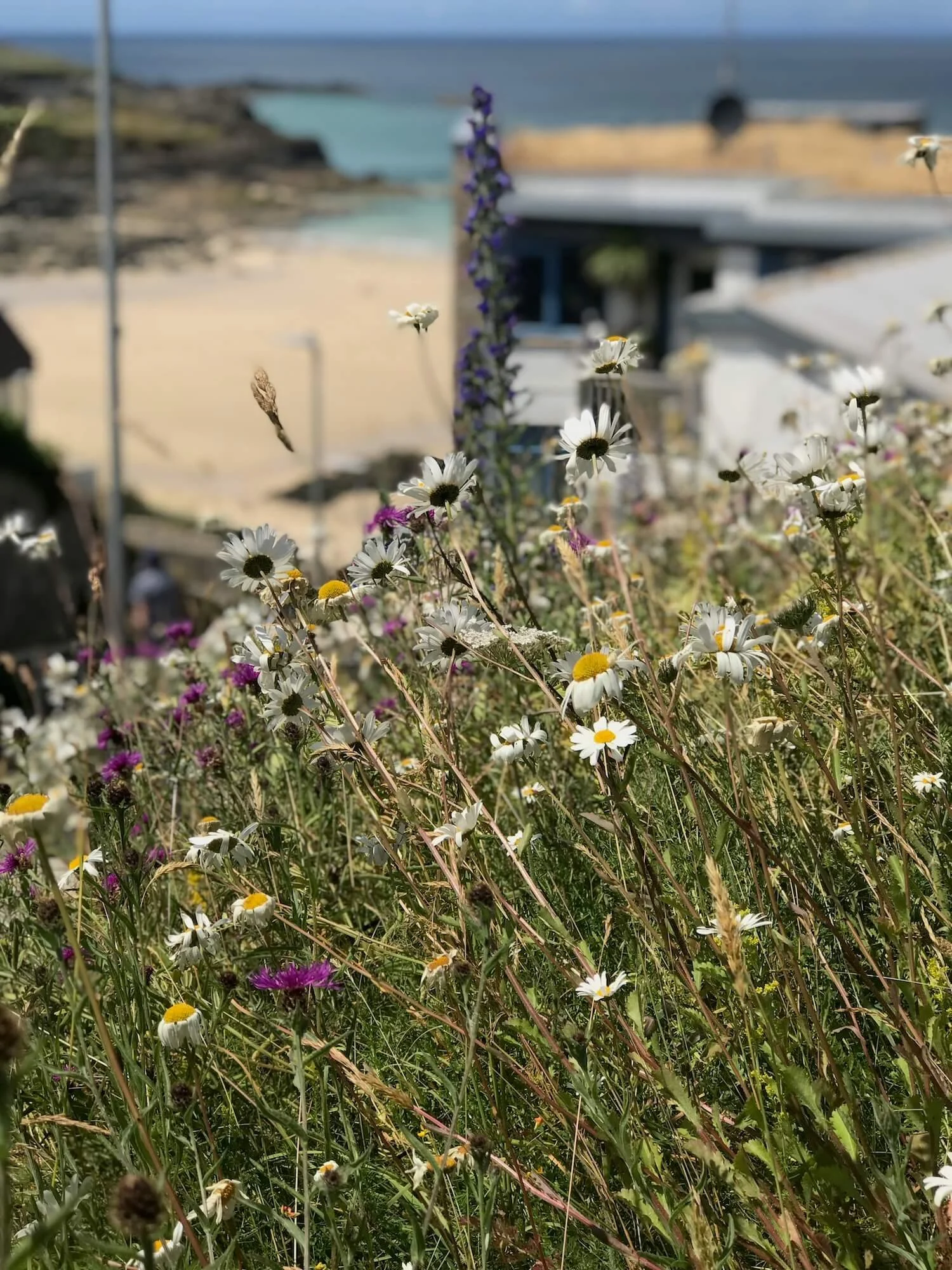
Cornwall's economic and social character adds further dimensions to this picture. The county's significant second home and holiday home sector means that many of the gardens and green spaces that matter most to the landscape are managed for visitors rather than permanent residents. The holiday home garden maintenance work that Juniper Gardens undertakes is therefore part of a broader responsibility to maintain the quality and character of the Cornish landscape that both residents and visitors experience and value. Done well, with genuine horticultural knowledge and ecological sensitivity, it contributes to the sense of place that makes Cornwall what it is.
The county's relative economic deprivation — Cornwall is among the least affluent regions in England — makes the social sustainability of its gardens particularly important. Public gardens that are genuinely accessible, that offer free or affordable entry, that run community programmes and educational events, are providing a public good of real significance in a county where access to high-quality green space and cultural experience is not evenly distributed. Supporting those gardens, and thinking seriously about how their community role can be strengthened, is part of what a genuinely sustainable approach to Cornish horticulture looks like.
What individual gardens and gardeners can do
The principles of community engagement that apply to large public gardens apply, in modified form, to smaller private and commercial gardens too. A garden owner who opens their garden occasionally, shares knowledge with neighbours, or supports local horticultural societies is contributing to the fabric of horticultural community that sustains interest and knowledge at a local level. A commercial property that invests in genuinely beautiful, ecologically rich grounds is contributing to the quality of the shared landscape that everyone in the vicinity experiences. A business that communicates openly about its approach to sustainability — its use of rainwater harvesting, its commitment to ecological garden management, its choices about plant selection and pest management — is helping to build the broader culture of horticultural knowledge and environmental awareness that Cornwall needs.
For Juniper Gardens, this commitment to community and communication is expressed through sharing knowledge — through these articles, through the project work documented on this site, and through the day-to-day conversations that are part of working closely with garden owners across Cornwall. The RHS Master of Horticulture research that informs much of this writing was always intended not just as an academic exercise but as a practical resource — a body of knowledge developed in and for Cornwall, and most valuable when it is shared widely and applied in real gardens.

Gardens as windows onto nature
Perhaps the most powerful framing for the relationship between gardens and community in a changing climate is this: gardens can be windows through which people reconnect with the natural world at a time when that connection is under pressure from multiple directions simultaneously.
Urbanisation, screen time, the pace of modern life, the gradual retreat of nature from everyday experience — these are forces that are diminishing the contact with the natural world that the well-being research I describe in my article on outdoor spaces and human well-being consistently shows to be important for human health. Gardens — well-designed, ecologically rich, community-connected gardens — are one of the most accessible and powerful counterforces available.
A garden that is beautiful enough to attract people who would not otherwise seek out nature. That is legible enough to engage people who struggle to see plants. That is community-connected enough to feel like it belongs to the people who visit it. That is managed with sufficient ecological knowledge to genuinely support biodiversity and demonstrate what a thriving living system looks like. Such a garden is not just a horticultural achievement. It is a genuine public good — a resource for well-being, for ecological awareness, and for the kind of sustained human relationship with the natural world that a sustainable future requires.
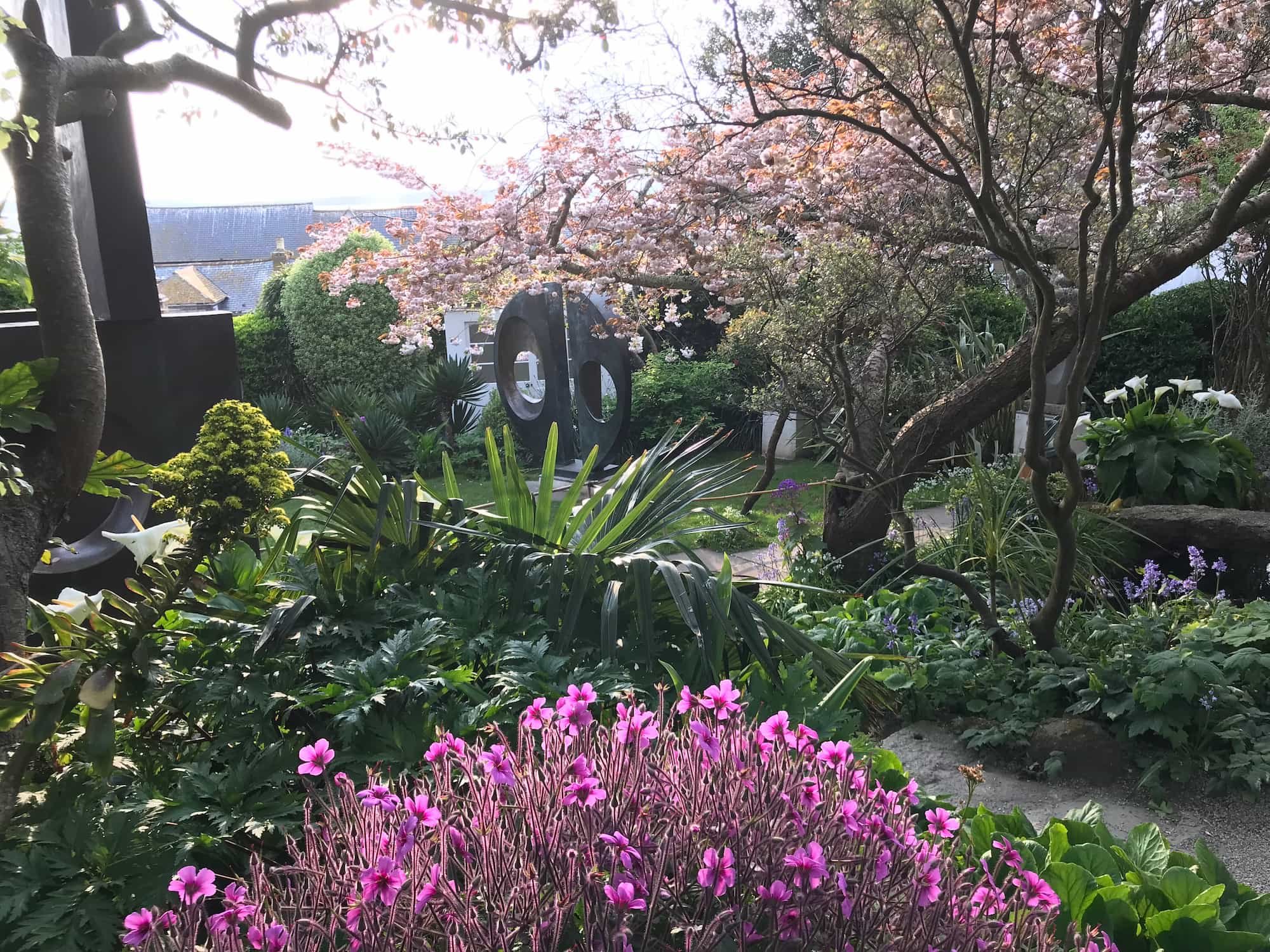
Cornwall has the landscape, the horticultural heritage, the community connections, and the climate to create and maintain gardens of exactly that quality. The challenge of climate change, approached with knowledge, creativity, and genuine engagement with the communities these gardens serve, need not diminish that potential. Managed well, it might even deepen it.
Jodi Dickinson MHort(RHS) is a professional horticulturist and head gardener at the Barbara Hepworth Museum and Sculpture Garden, St Ives. Juniper Gardens provides specialist garden maintenance, garden design and ecological garden care across mid and west Cornwall. View Jodi's full profile here.