
Sculpting with Plants: An Artistic Approach to Garden Design in Cornwall
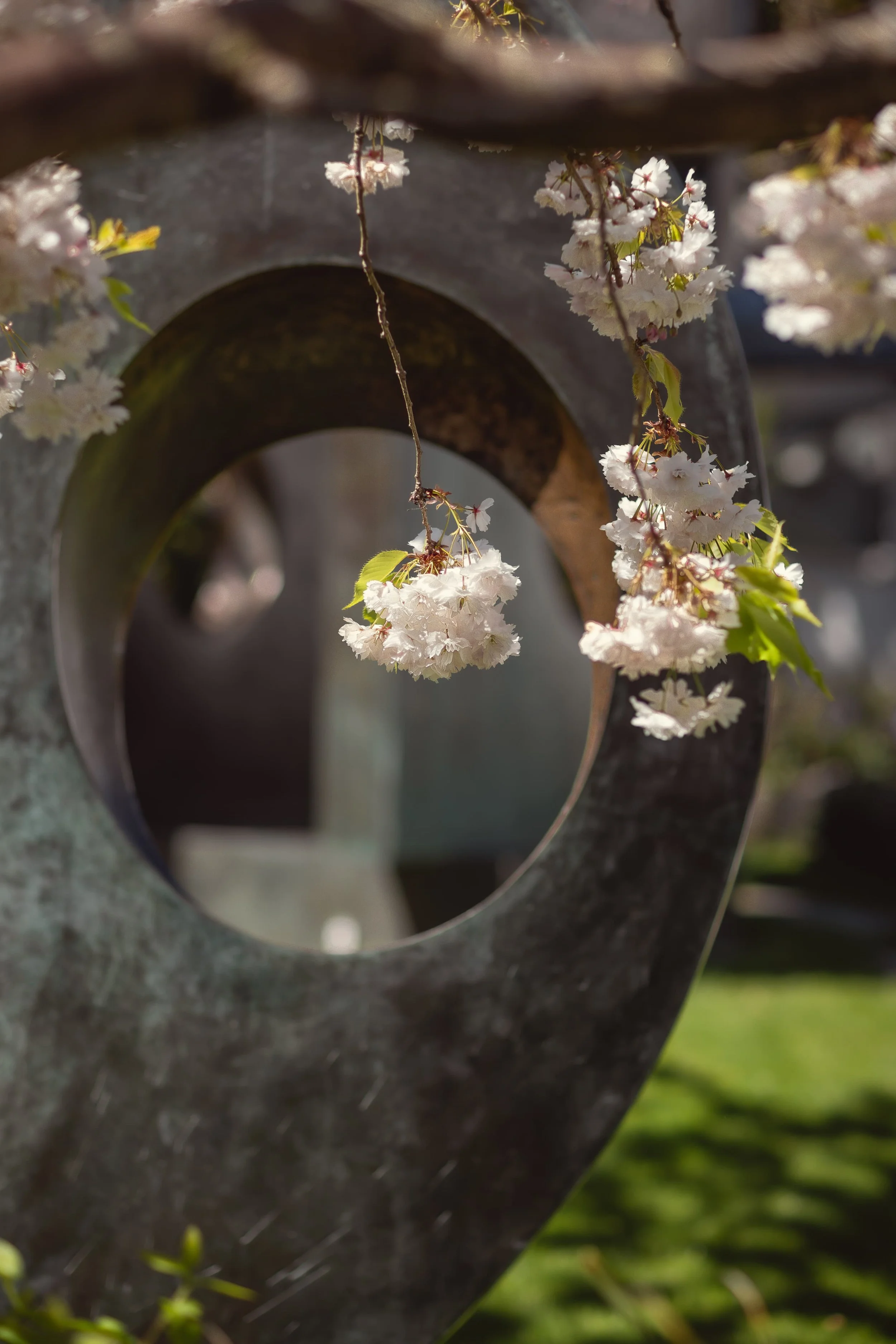
Photo by Kirstin Prisk
Structure, ecology and long-term stewardship shaped by clarity and restraint.
A garden extends beyond its planting. It becomes a curated environment where form, texture, light and structure come together to create atmosphere and meaning.
My experience working within the grounds of the Barbara Hepworth Museum and Sculpture Garden and contributing to guidance shared by Tate on creating art-inspired gardens reinforced how carefully space, structure and planting must be considered in any composed landscape.
At Juniper Gardens, a professional gardener in Cornwall, this philosophy underpins how landscapes are designed, maintained and allowed to evolve over time.
Central to this approach is the concept of sense of place — the quality that makes a garden feel not just beautiful but authentically of its location. In Cornwall, where the landscape has shaped generations of artists and where the relationship between the built and the natural is felt particularly acutely, that quality is inseparable from good design. I explore it in depth in my article on what is sense of place in a Cornish garden and why it should guide every decision.

What Defines an Artistic Garden?
An art-led garden is not necessarily minimalist or formal. Rather, it creates space for experience.
Consideration is given to:
Structure and layering in planting
The relationship between positive and negative space
The placement of focal elements
The role of light and shadow
Texture and seasonal rhythm
Restraint as much as abundance
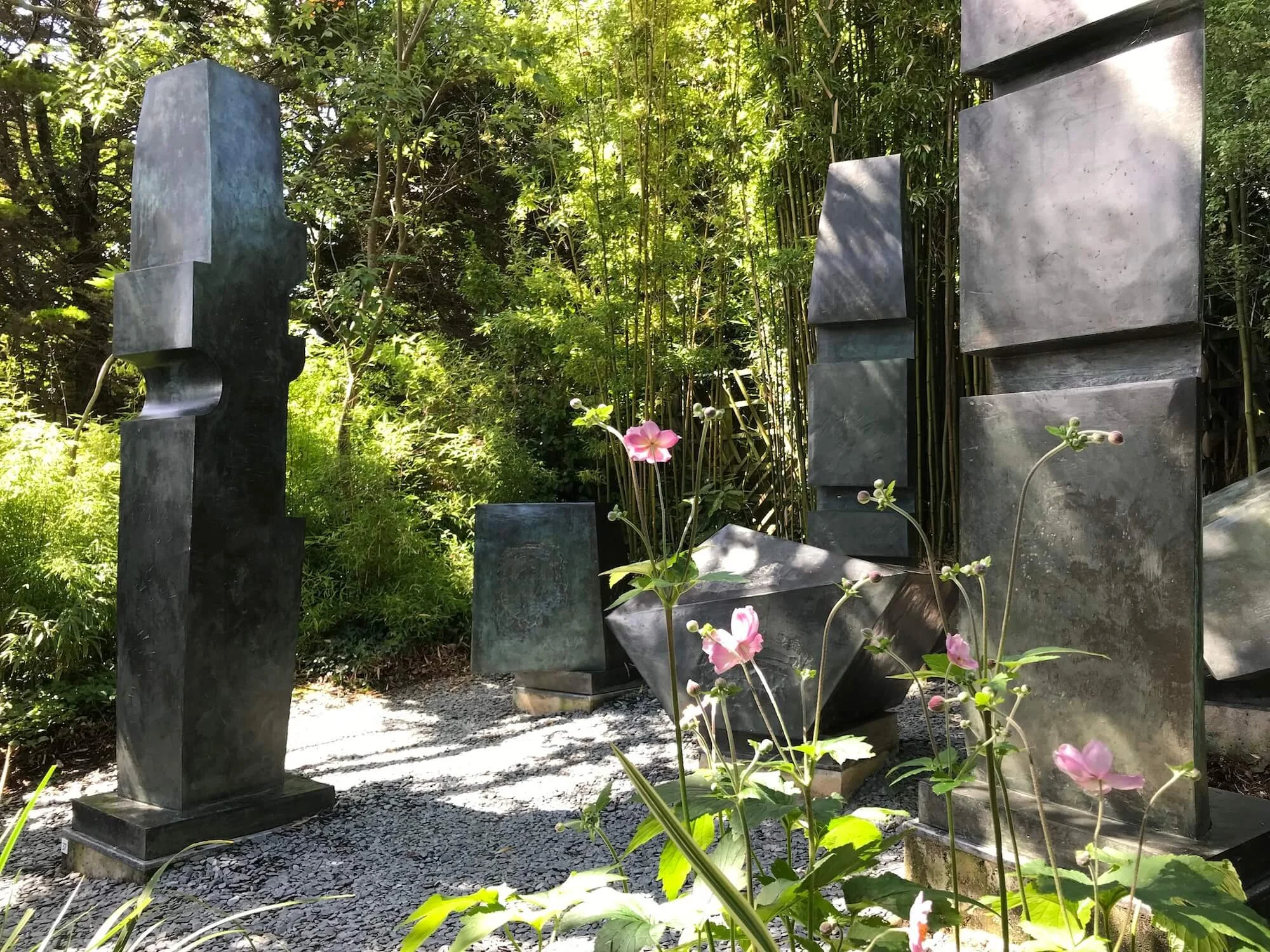
In Cornwall — where coastal exposure, granite, wind and shifting Atlantic light shape every landscape — these principles become even more powerful.
Rather than filling space, an artistic garden shapes it.
Lessons from Barbara Hepworth’s Garden
The garden surrounding the work of Barbara Hepworth demonstrates how planting can frame and support art without overpowering it.
Key principles include:
1. Planting as Structure
Evergreen framework planting creates calm backdrops against which seasonal movement can unfold.
2. Negative Space
Open areas and controlled groundcover allow sculpture — or architectural planting — to breathe.
3. Sense of Place (Genius loci)
Granite, stone and coastal-adapted planting sit comfortably within the Cornish landscape.
4. Editing
Not everything that grows should remain. Restraint is part of design.
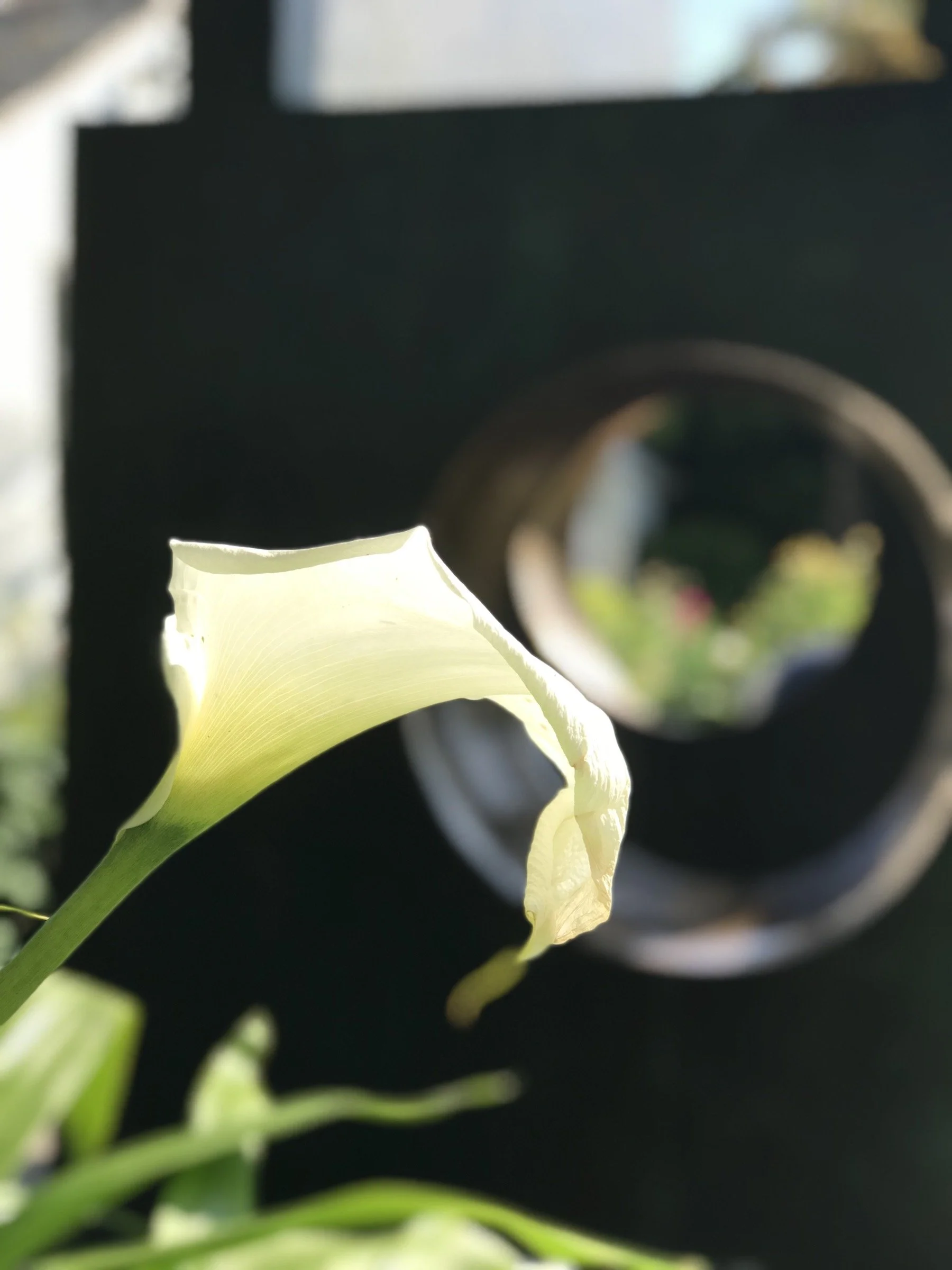
These ideas translate beautifully into private gardens across Cornwall — particularly in coastal settings where wind, salt and light demand thoughtful planting.
For larger properties and managed landscapes, explore Commercial Grounds Maintenance in Cornwall.
If you’d like to learn more about my experience at the Hepworth garden you can watch below.
The Hepworth garden also illustrates the particular challenge of historic gardens in a changing climate — the tension between preserving what exists and adapting thoughtfully to what is coming. Maintaining the garden's artistic and cultural authenticity while responding to increasingly dry summers and a shifting pest and disease landscape requires exactly the kind of considered, long-term thinking that good artistic garden management demands. I explore this tension in detail in my article on the preservation versus adaptation dilemma: how Cornwall's historic gardens can survive climate change.

Applying Artistic Principles in Private Gardens
Whether in Truro, Falmouth, St Ives or rural Cornwall, the same fundamentals apply.
Structure and texture
Consider:
Movement through the space
Layering in planting - trees, shrubs, then ground cover - with space in between.
Framed views
Areas of pause
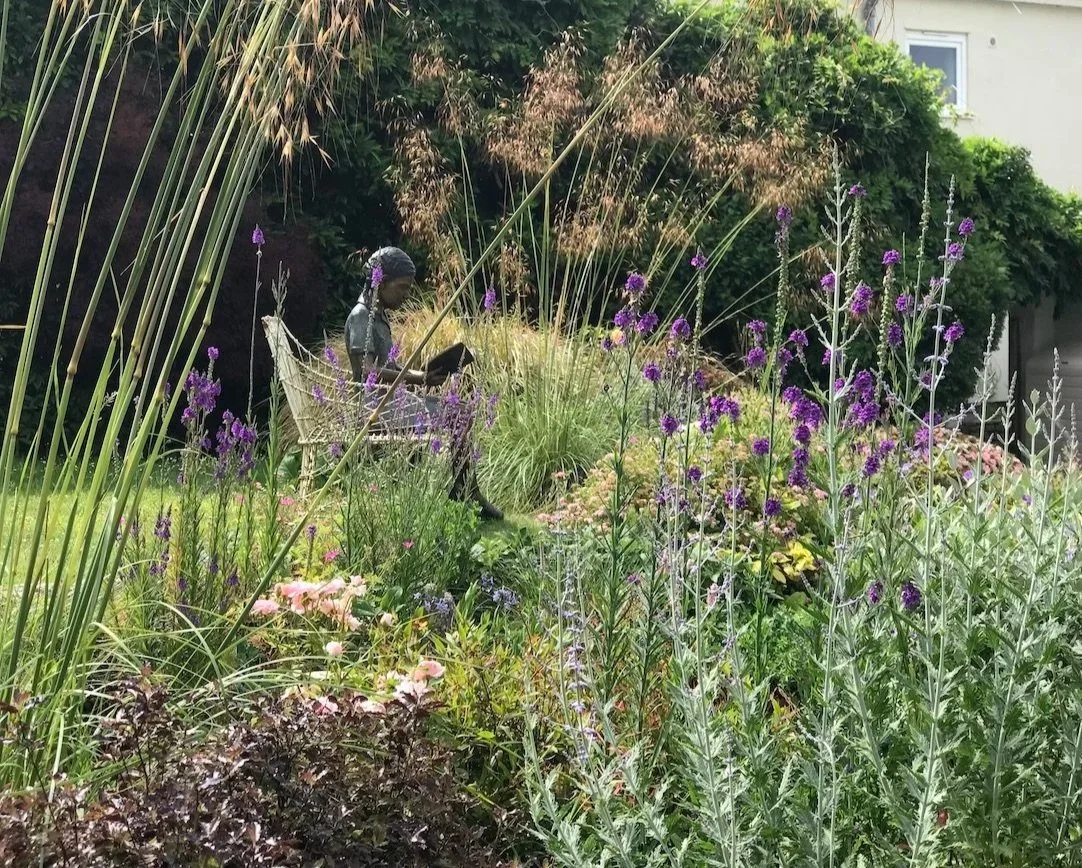
Evergreen shrubs and the branching structure of trees create a year-round backbone that anchors the composition.
Grasses responding to wind.
Soft perennials against stone.
Structural shrubs providing stillness.

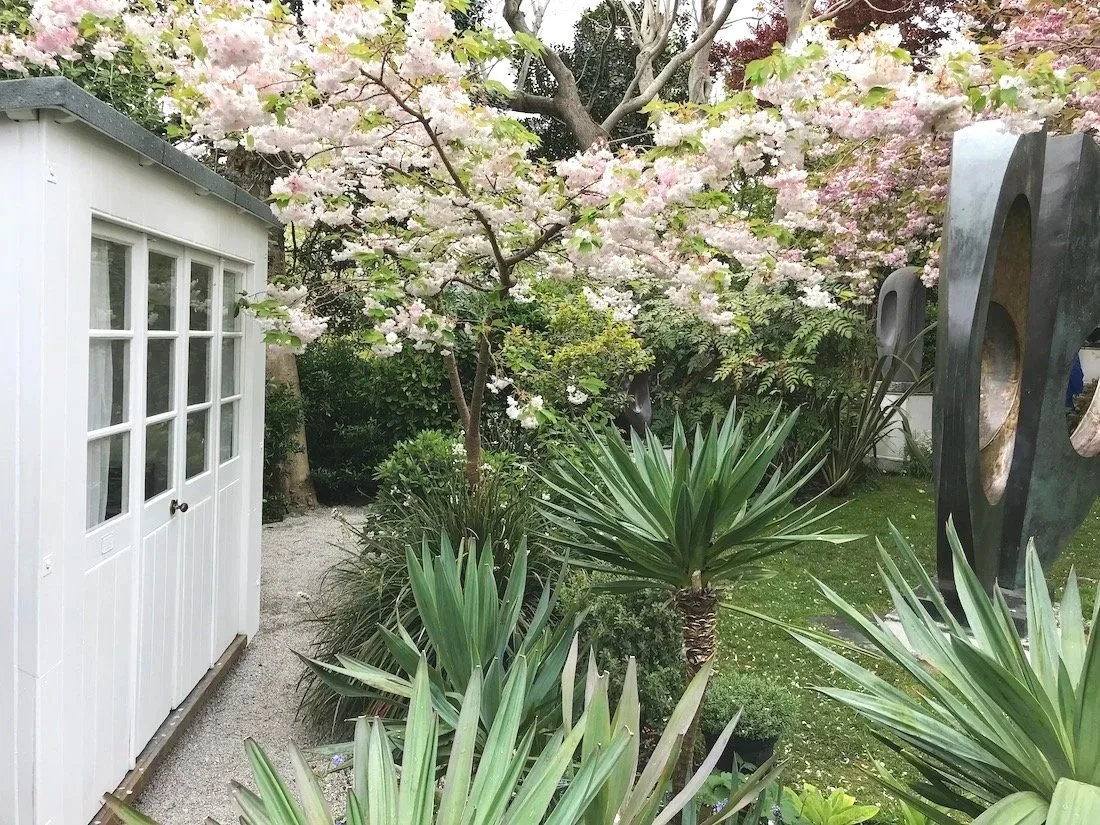
Sculpture — Literal or Botanical
Not every garden requires physical sculpture. Structural planting can perform the same function:
Multi-stem trees
Architectural agaves or yuccas
Carefully clipped hedging
Singular specimen plants
The objective is clarity, not clutter.
For gardens where ongoing structure and presentation are particularly important — including second homes — see
Holiday Home Garden Maintenance in Cornwall.
Allowing Nature the Prominent Hand
An artistic garden does not dominate nature — it collaborates with it.
Wherever possible, the landscape should be allowed to lead. Wind direction, soil character, light levels and seasonal rhythm all shape how a garden wants to grow. Working with these forces, rather than correcting them, creates gardens that feel grounded rather than imposed.
The role of the gardener becomes one of quiet editing — guiding growth without suppressing it.
Attention is also given to detail.
Every plant carries distinctive qualities: the curve of a grass blade in wind, the way light rests on a leaf surface, the texture of bark against stone, the subtle shift in tone between seasons.
In an art-led landscape, these details are not lost in excess. They are revealed.
A singular specimen may be positioned so its branching structure can be read clearly against open space.
A textural perennial may be placed where its movement catches low evening light.
A clipped form may sit beside looser planting to heighten contrast.
The aim is not control for its own sake, but clarity.
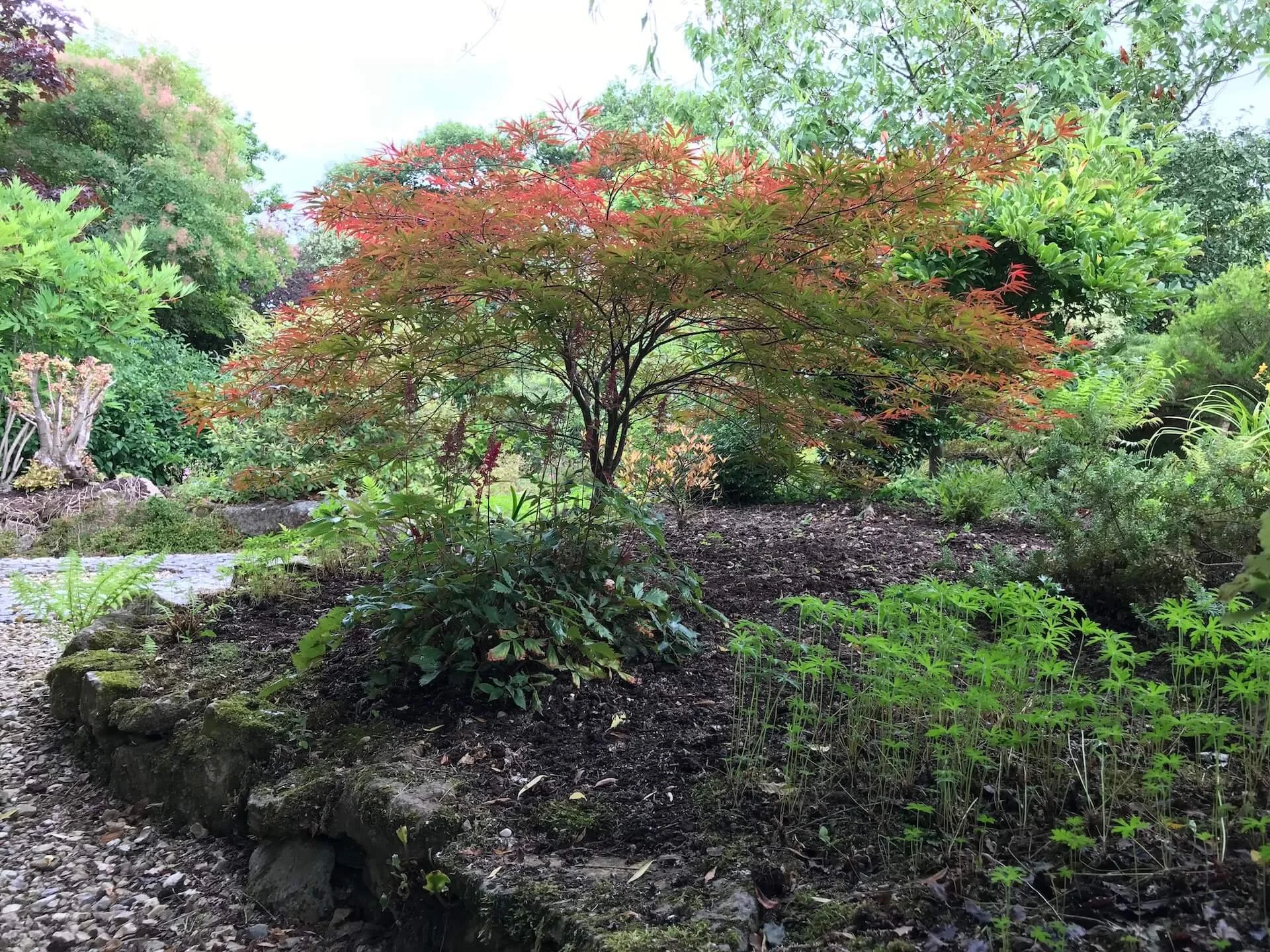

Cornwall’s landscape has shaped generations of artists. Its light, granite and coastal forms naturally lend themselves to sculptural thinking.
An artistic garden here should not imitate sculpture. It should respond to place.
That means:
Working with prevailing wind
Respecting local biodiversity
Using local materials
Designing for longevity
Art, Ecology and the Cornish Landscape
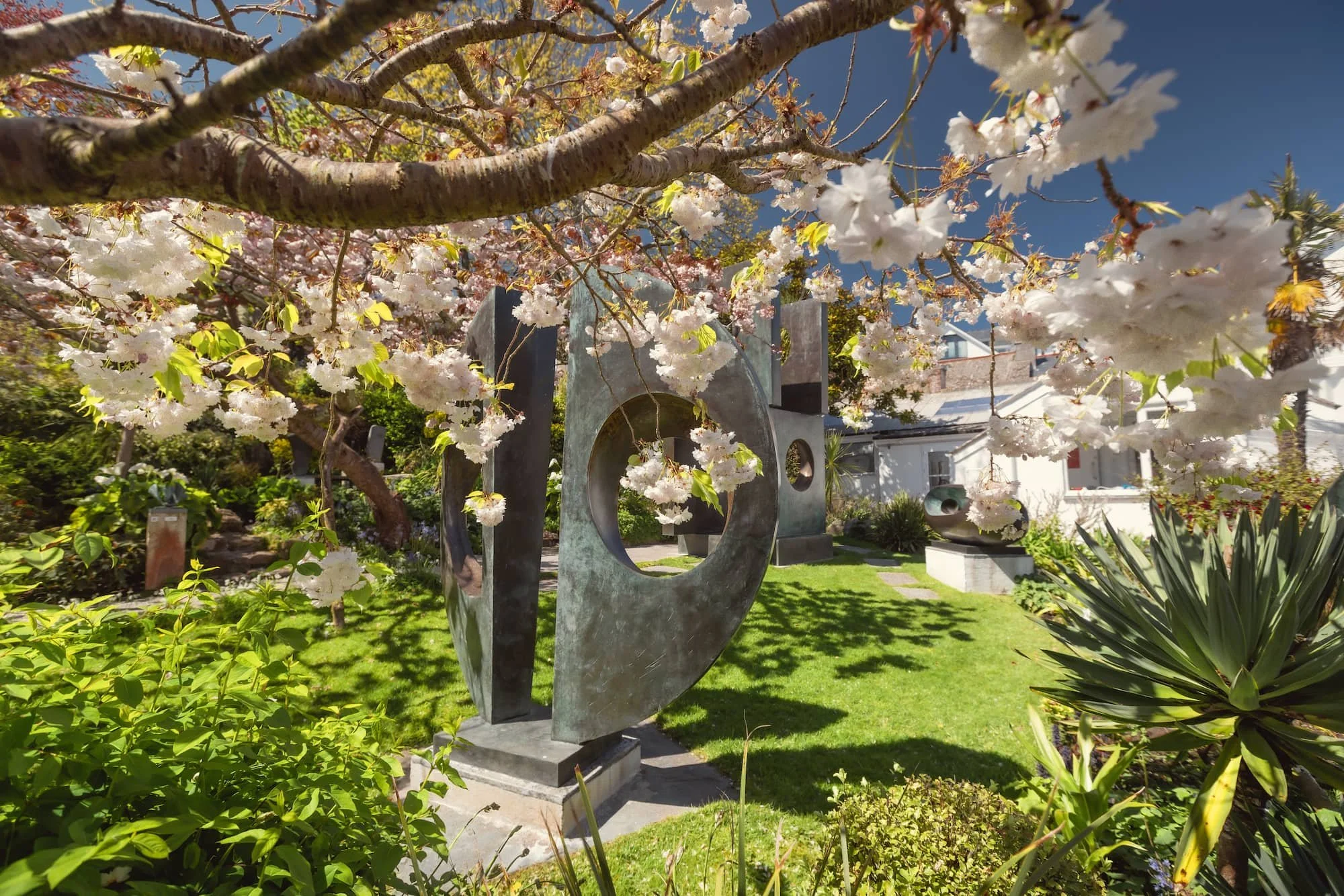
Photo by Kirstin Prisk
Working with the Cornish landscape also means making plant choices that are genuinely suited to its evolving conditions — choosing species with the resilience to perform well over the long term, rather than simply those that look right at the time of planting. As climate change shifts what is reliably possible in Cornish gardens, plant selection becomes an increasingly important dimension of artistic design as well as a horticultural one. My article on how to choose plants that will thrive in a Cornish garden in the coming decades sets out the principles I apply, and my article on signature plants of Cornwall explores the specific plants most central to Cornwall's garden character and what threatens them.
Ecology as Part of the Composition
In exposed Cornish gardens, ecological sensitivity is essential. Planting must respond to soil, aspect and biodiversity.
Layered planting improves habitat.
Healthy soil improves resilience.
Thoughtful pruning preserves structure.
You can read more about this approach on our Ecological & Wildlife Gardening page.

Bringing It Together
Sculpting with plants is about understanding:
Space
Structure
Ecology
Editing
Long-term stewardship
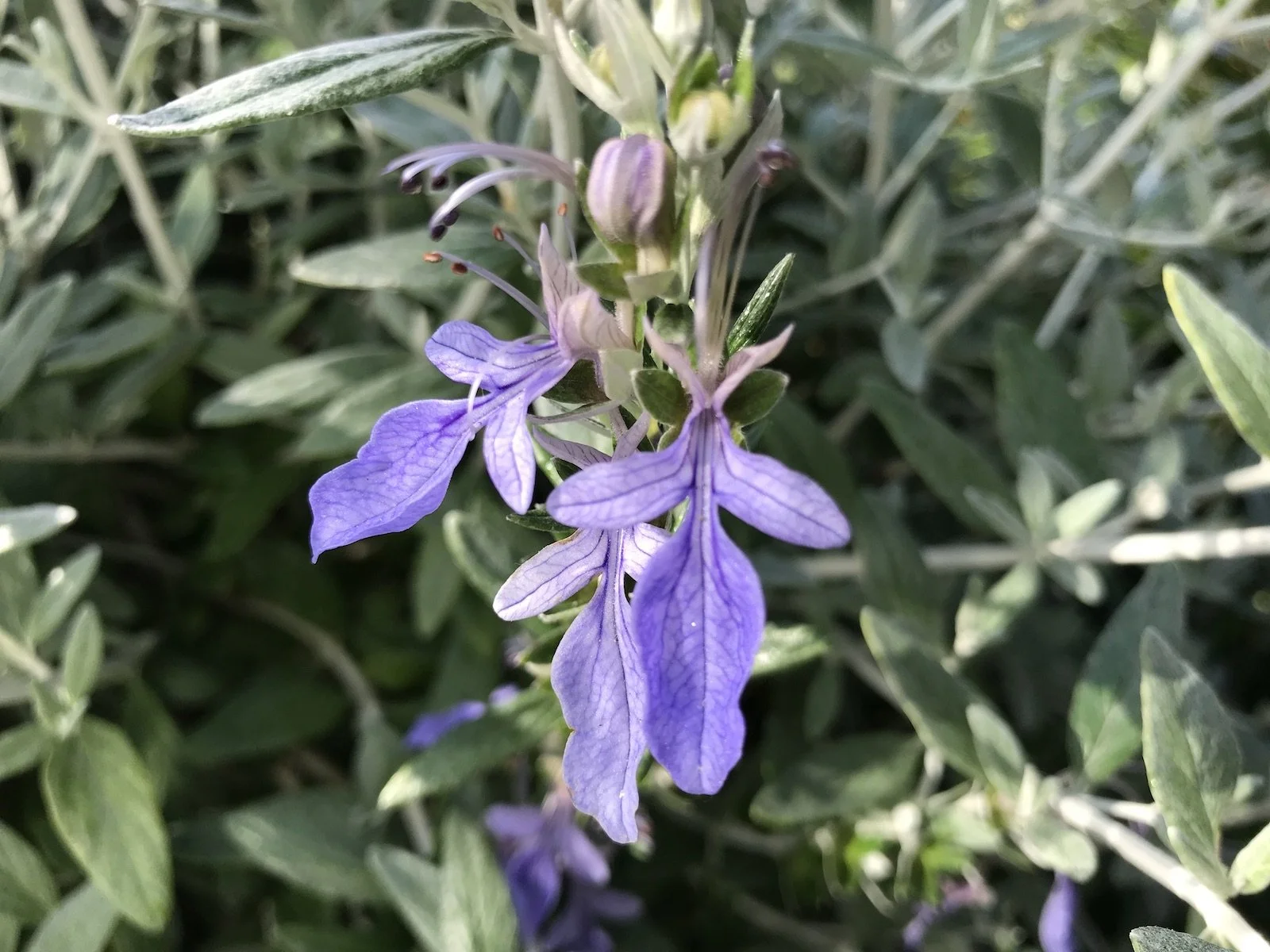
An artistic garden is not created in a single season. It is shaped carefully, refined thoughtfully and maintained deliberately.
Where art meets landscape, the result is not imposed upon nature — it grows from it. If you would like to explore how these principles could shape your own landscape, visit Juniper Gardens – Garden designer in Cornwall or get in touch to discuss your project.