
Why Cornwall's Gardens Are Some of the Most Remarkable in Britain — and How They Came to Be
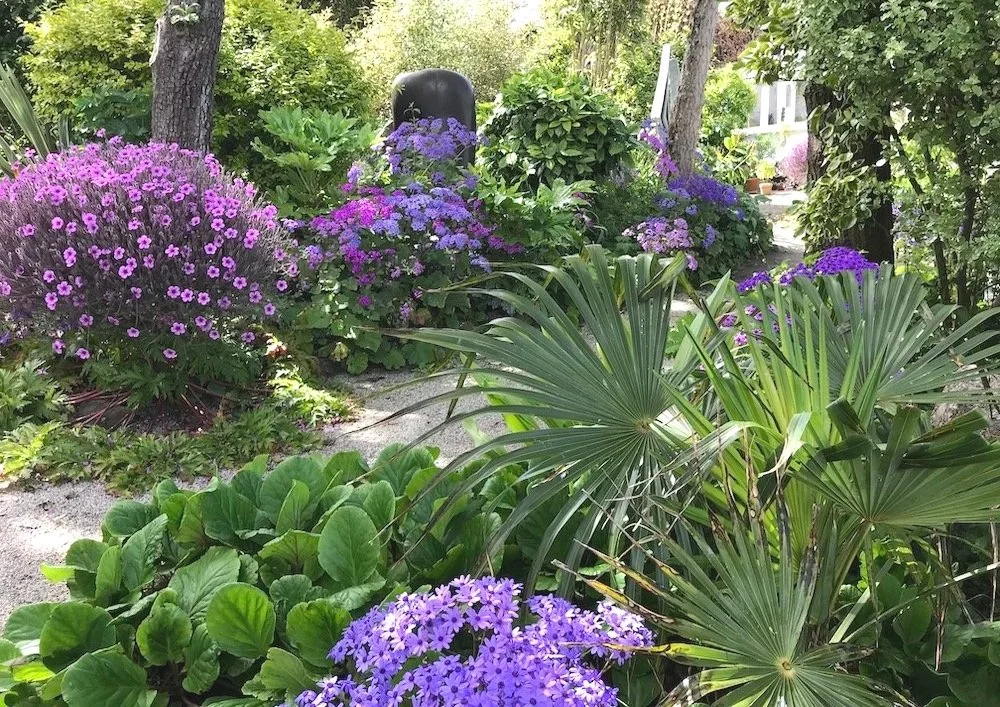
There are not many places in Britain where you can stand in a garden and feel genuinely transported — where the planting is so unexpected, so lush, so unlike anything you might encounter in the rest of the country, that the experience borders on the exotic. Cornwall is one of those places. And the gardens that create that feeling did not come about by accident.
They are the product of a very particular combination of factors: a climate unlike anywhere else in mainland Britain, a geology that created some of the most fertile and distinctive soils in the country, a history of wealth, adventure, and plant obsession stretching back centuries, and a landscape so compelling that it has drawn artists, collectors, and visionaries from across the world. Understanding how Cornwall's gardens came to be is not merely an exercise in horticultural history. It is the foundation for understanding what makes them worth preserving, and what is at stake as the climate changes around them.
The climate that made it all possible
Cornwall's greatest horticultural asset is its maritime climate. Situated on a peninsula extending into the Atlantic, Cornwall benefits from the moderating influence of the sea in ways that the rest of Britain simply does not. Winters are mild — genuine frosts are relatively rare in many parts of the county, and prolonged cold snaps rarer still. Summers are warm but rarely extreme. Rainfall is generous, typically between 900 and 1,100mm annually, and distributed fairly evenly through the year.
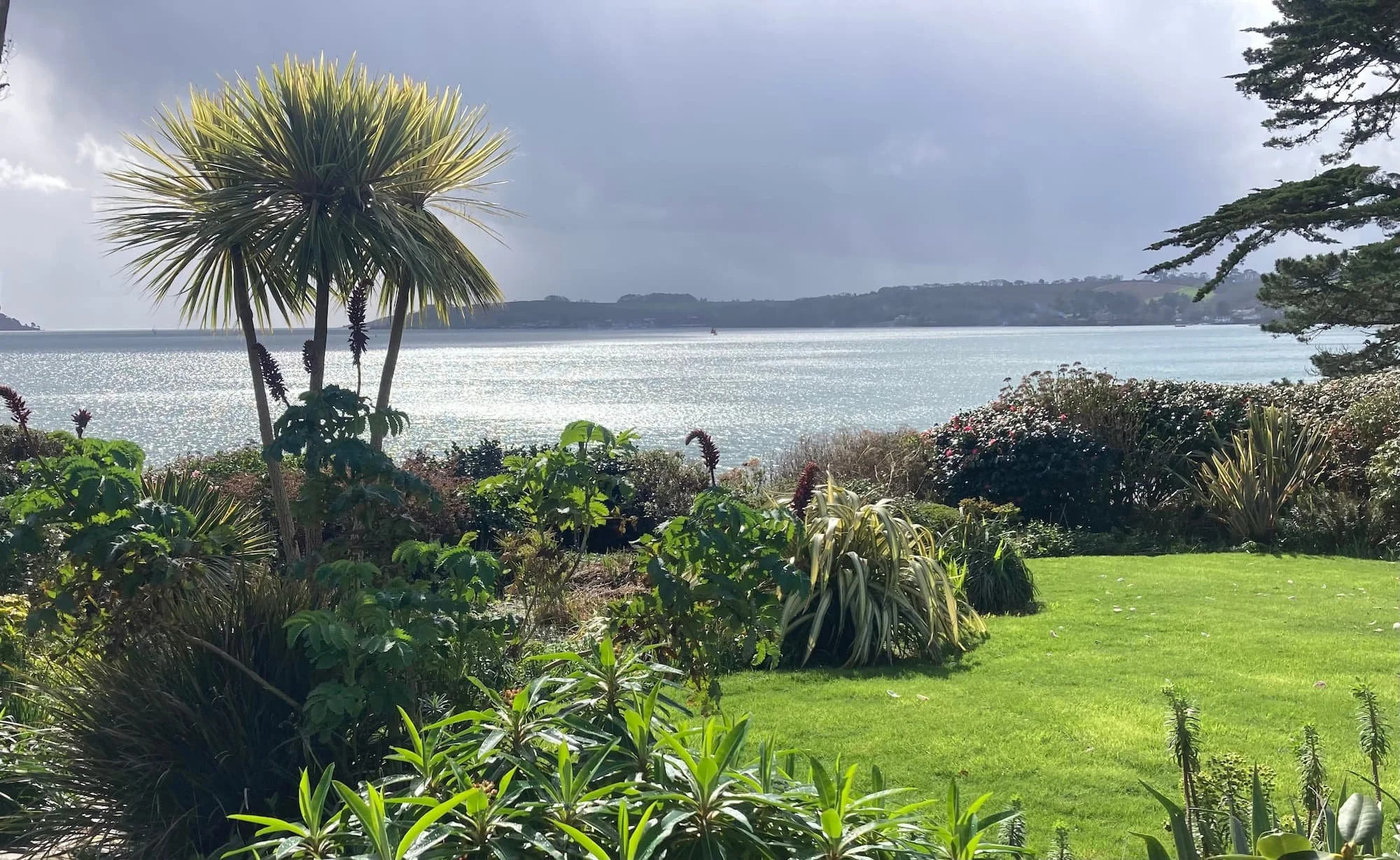
The result is a growing environment of unusual generosity. Plants that would struggle or die in other parts of Britain thrive in Cornwall with minimal intervention. Tree ferns from the southern hemisphere grow outdoors year-round. Tender Mediterranean shrubs that need greenhouse protection elsewhere survive Cornish winters without complaint. Subtropical species that most British gardeners can only grow in pots reach statuesque maturity in Cornish gardens. It is a climate that rewards ambition.
The prevailing south-westerly winds are the significant complication. They arrive off the Atlantic with considerable force, laden with salt, and they can devastate unprotected planting with remarkable efficiency. The solution, which Cornwall's great garden makers understood instinctively, was shelter — and the creation of shelter became one of the defining acts of Cornish garden making.
The geology beneath it all
Beneath Cornwall's gardens lies another crucial factor, less visible but equally important. The county's underlying granite has, in places, been metamorphosed by heat and pressure into mineral-rich formations known locally as killas — the Cornish term for these metamorphic rocks. It was the minerals within these formations that made Cornwall's tin and china clay mining industries possible, generating the wealth that funded many of the county's great gardens.
More directly relevant to horticulture, the breakdown of killas over millennia created the deep, fertile, acidic soils that characterise Cornwall's valley gardens — particularly on the south coast. These soils, combined with the mild climate and reliable rainfall, created ideal conditions for the cultivation of acid-loving plants: rhododendrons, camellias, magnolias, and the vast range of species that plant hunters were beginning to bring back from Asia, South America, and beyond during the nineteenth century.
It is not an exaggeration to say that Cornwall's geology is one of the reasons its gardens look the way they do. The acidic soil profile that the killas created made Cornwall uniquely receptive to the great wave of plant introductions that transformed British horticulture during the Victorian era.
The garden makers and plant hunters
Cornwall's garden history stretches back to the formal gardens created by wealthy landowners during the seventeenth century — large, structured spaces that reflected the European fashion for geometry and control. These were largely swept aside during the eighteenth century by the naturalistic landscape movement associated with Lancelot 'Capability' Brown, whose influence reached even this far west, with Humphry Repton creating designs for gardens including Antony and Tregothnan.
But it was the nineteenth century that truly defined Cornwall's garden character. The arrival of plants collected from across the world by a remarkable generation of plant hunters transformed what was possible in Cornish gardens. William and Thomas Lobb, both born in Cornwall, collected extensively in South America and Southeast Asia, sending back species including tree ferns, conifers, and rhododendrons that found their way into Cornish gardens. Sir Joseph Hooker's collections from the Himalayas introduced many of the rhododendron species that became the backbone of Cornwall's valley gardens. The walled gardens, shelterbelts, and valley settings that landowners had developed over previous centuries now had a plant palette of extraordinary richness and variety to work with.
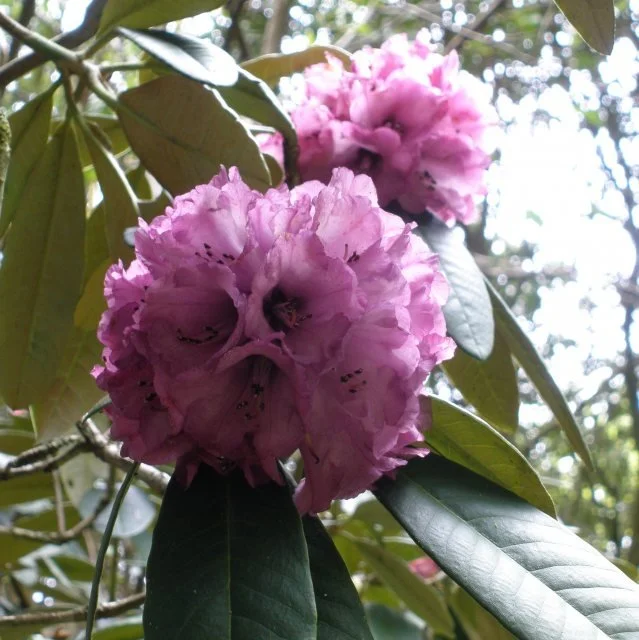
Rhododendron niveum — grown from seed collected in Sikkim by Joseph Dalton Hooker during his Himalayan expeditions (1849–50), and now established in Cornish gardens such as Heligan.
The gardens that emerged during this period — Heligan, Trewithen, Caerhays, Trengwainton, and many others — represent one of the great achievements of British horticulture. They combined horticultural ambition with a genuine understanding of the landscape, using shelter, topography, and soil to create conditions in which plants from across the world could be grown to perfection.
The disruption of two world wars
The story of Cornwall's gardens is not an unbroken progression of success. The First World War brought the era of great estate garden making to an abrupt halt. The labourers who had maintained these complex, labour-intensive spaces were sent to the front, many never to return. Estates were broken up, sold, or repurposed as hotels, schools, and hospitals. Gardens that had taken generations to establish fell into neglect within a few years.
The period between the wars, and the Second World War that followed, left many of Cornwall's great gardens in a precarious state. Some were lost entirely. Others survived in diminished form, maintained by skeleton staff or simply left to grow as best they could. The recovery of these gardens — many of which have now been restored to something approaching their former character — represents an extraordinary collective effort by the families, trusts, and organisations that took them on during the second half of the twentieth century.
Contemporary gardens and new directions
Alongside the historic valley gardens, Cornwall has also seen the emergence of a smaller number of genuinely contemporary gardens over recent decades.
These spaces reflect different influences and ambitions — incorporating succulent, exotic, and tropical planting that speaks to more recent horticultural trends rather than Victorian plant-hunting traditions. Gardens such as Tremenheere Sculpture Garden near Penzance, which combines dramatic landform, contemporary art, and bold exotic planting, represent a distinctly twenty-first century vision of what a Cornish garden can be.
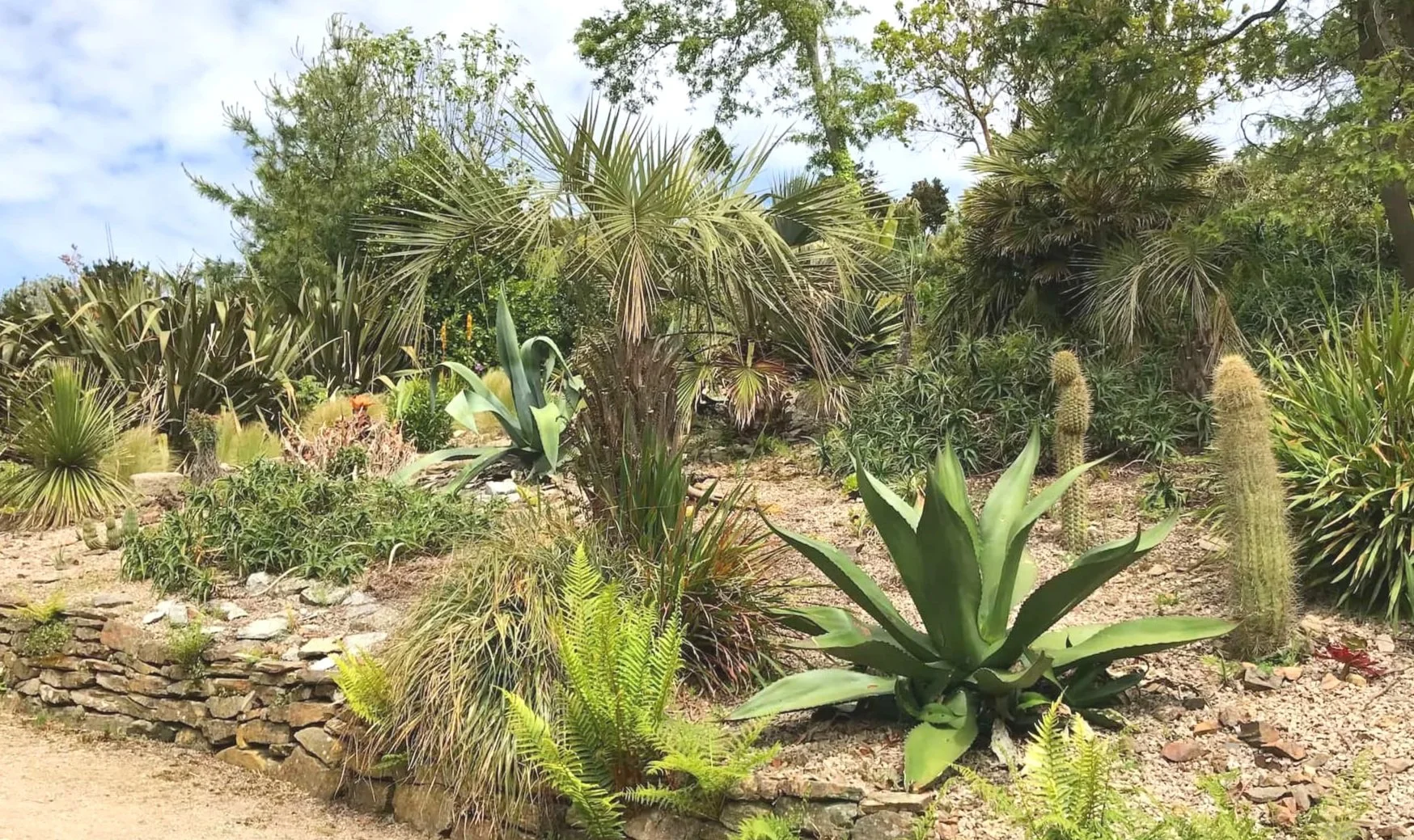
These contemporary gardens are, in some ways, better positioned for the climate changes ahead. Their planting already draws on species suited to warmer, drier conditions, and their managers have greater freedom to respond to changing circumstances without the weight of historical obligation that constrains the managers of heritage gardens. I explore this contrast in more detail in my piece on the preservation versus adaptation dilemma facing Cornwall's historic gardens.
What this history means for gardening in Cornwall today
Understanding this history changes how you think about garden maintenance in Cornwall. The plants in many Cornish gardens are not simply decorative choices — they are the living legacy of centuries of horticultural ambition, botanical exploration, and careful cultivation. Caring for them well requires knowledge not just of their immediate needs but of the conditions that made them possible in the first place.
It also changes how you think about garden design in Cornwall. The county has a design tradition that is genuinely distinctive — characterised by the use of shelter to create microclimates, by the layering of planting from canopy to ground, by a preference for the lush and the generous over the sparse and the minimal. New gardens created in Cornwall today are in conversation with that tradition whether their makers know it or not, and the best of them draw on it consciously.
For holiday home owners and commercial property managers across the county, this history is also relevant in a more practical sense. Cornwall's gardens are part of what people come here to experience. A garden that feels authentically of this place — that draws on the same principles of shelter, generous planting, and species suited to the maritime climate — adds real value to any property in the county.
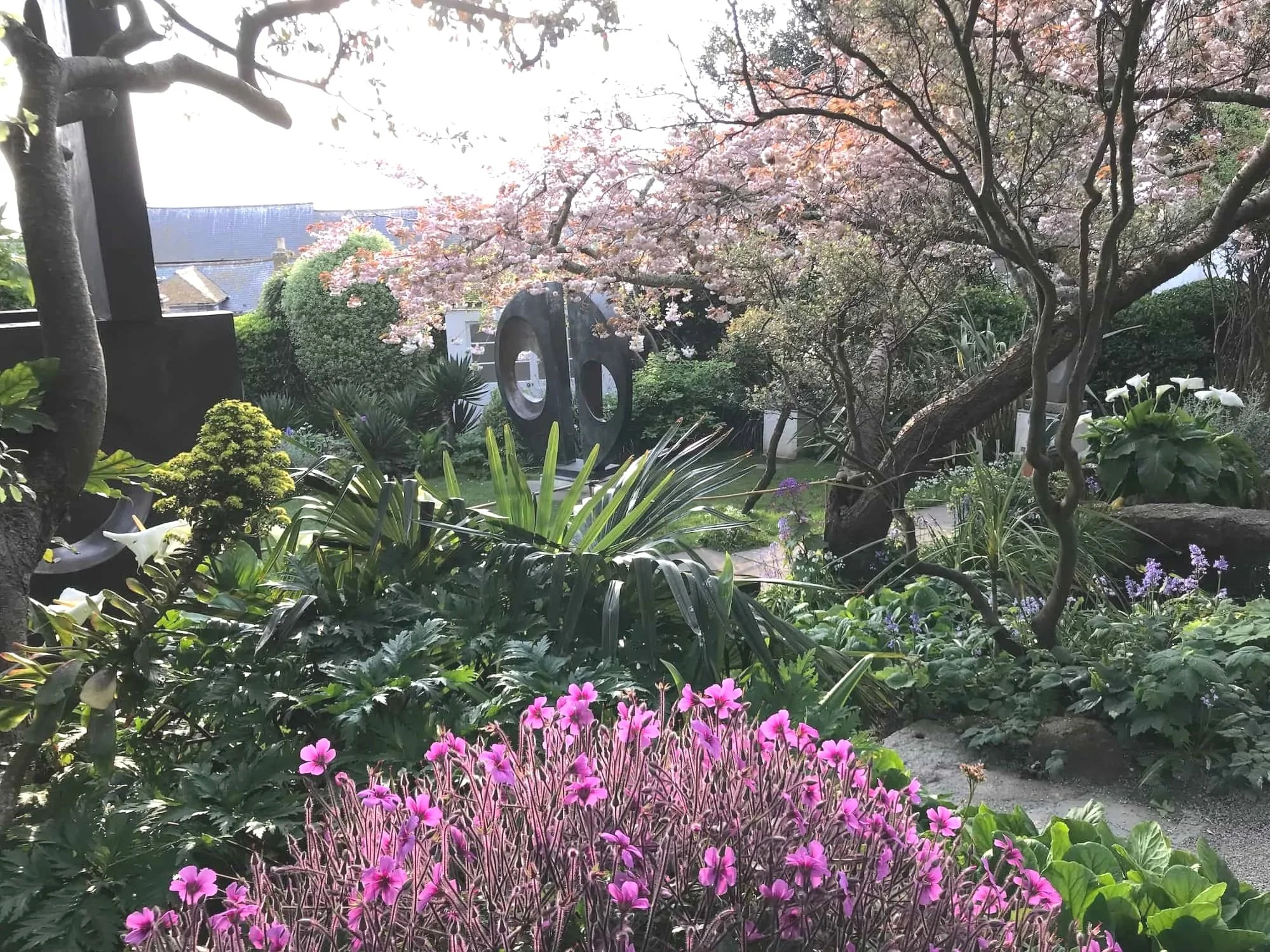
A living tradition
Cornwall's gardens are not museum pieces. They are living, changing spaces that have always reflected the ambitions, knowledge, and circumstances of the people who made and maintained them. The plant hunters who sent back rhododendrons from the Himalayas could not have imagined the gardens those plants would eventually create. The Victorian landowners who planted the great shelterbelts could not have known that their descendants would be managing those same trees in a measurably warmer climate.
What connects all the generations of Cornish garden makers is a willingness to work with what the landscape offers — to understand the climate, the soil, the light, and the wind, and to make something extraordinary from them. That spirit, more than any particular plant or style, is what Cornwall's gardens are really made of. And it is exactly what is needed now, as the conditions change and new challenges arrive.
The gardens are remarkable. They are worth understanding, worth caring for, and worth adapting — thoughtfully and intelligently — for the generations to come.
Jodi Dickinson MHort(RHS) is a professional horticulturist and head gardener at the Barbara Hepworth Museum and Sculpture Garden, St Ives. Juniper Gardens provides specialist garden maintenance, garden design and ecological garden care across mid and west Cornwall. View Jodi's full profile here.