
What Ecological Resilience Really Means for Garden Management — and How to Build It
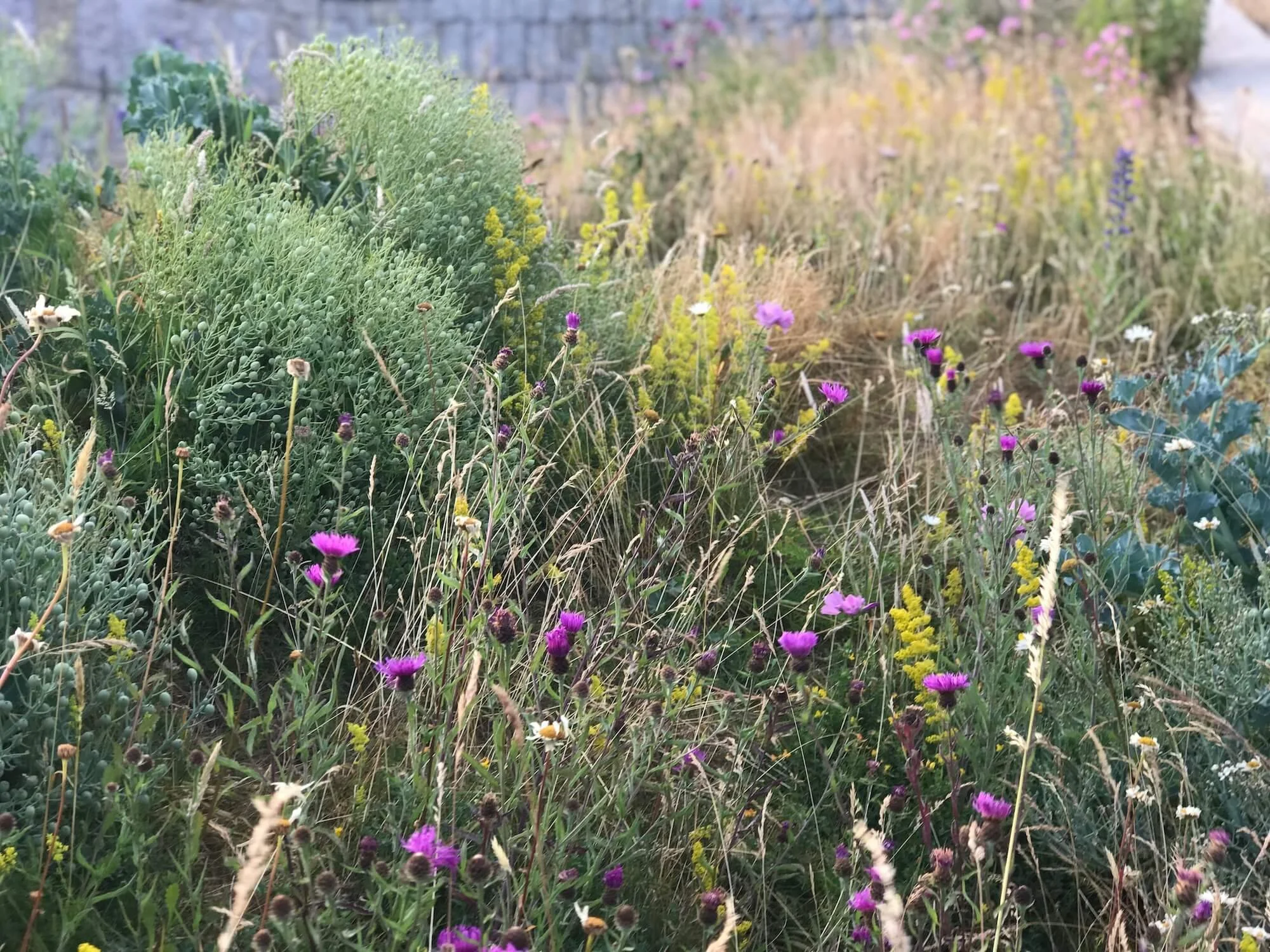
Image : coastal roof garden meadow at Tate St Ives, Cornwall
Ecological resilience has become one of the most frequently used phrases in contemporary horticultural writing. It appears in garden design briefs, in the mission statements of public gardens, in the marketing copy of nurseries selling drought-tolerant plants, and in the advice of garden commentators responding to the visible impacts of climate change on British gardens. It is, in many of these contexts, used loosely — as a general gesture towards gardens that cope better with difficult conditions, or that support more wildlife, or that require less intensive management.
This looseness is understandable. Resilience is a genuinely useful concept, and the instinct to invoke it in response to the pressures that climate change is placing on British gardens is sound. But the looseness is also a limitation. Ecological resilience has a precise meaning in the scientific literature from which it is borrowed, and that precision is not merely academic — it is practically important. Understanding what resilience actually means, and what the ecological research says about how it is built and maintained, provides a much more reliable foundation for garden management decisions than the vague aspiration to grow hardy plants and add more biodiversity.
This article is an attempt to bring that precision to bear on the practical question of how British gardens can be managed to be genuinely, measurably more resilient in the face of climate change.
What ecological resilience actually means
Ecological resilience, as defined in the scientific literature, is the ability of a system to absorb disturbance while maintaining its essential functions. It is not the same as robustness — the ability to resist disturbance without changing. A resilient garden is not one that never changes, but one that continues to function — to support wildlife, to manage water, to provide aesthetic value, to maintain its essential character — through and after disturbance, whether that disturbance takes the form of a prolonged drought, an intense rainfall event, a pest outbreak, or the loss of a key species.
This distinction between resilience and robustness is practically important. A garden managed primarily for robustness — kept tightly controlled, intensively managed, planted with strong performers in average conditions — may actually be less resilient than one that is more dynamic and variable, because it has less capacity to absorb and recover from disturbance. The formal garden that looks immaculate in average years may collapse dramatically under extreme stress, while the more naturalistic garden that looks less controlled in average years continues to function because it has multiple species performing overlapping roles and a more complex ecological structure to fall back on.
Resilience thinking therefore suggests a somewhat counterintuitive management principle: that building in complexity, variability, and redundancy — even at some cost to the tidiness and predictability that conventional garden management often prioritises — is a long-term investment in the ability of the garden to maintain function through the increasingly frequent and intense disturbances that climate change will bring.
The four pillars of ecological resilience in gardens
The ecological literature identifies several mechanisms through which resilience is built in natural ecosystems. Applied to garden settings, these translate into four practical principles that should inform management decisions at every scale.
The first is functional redundancy — the principle I have already touched on. In a resilient ecosystem, multiple species are capable of performing the same ecological functions. If one species providing nectar for pollinators comes under pressure, others can fill the same role. If one ground cover species fails, others maintain the soil cover and weed suppression function. This redundancy is what allows the system to continue functioning despite the loss of individual components.
In garden terms, building functional redundancy means resisting the temptation to plant large quantities of a single species — however attractive or well-performing in average conditions — and instead ensuring that multiple species share each ecological role. It means thinking about the garden not just as a collection of individual plants but as a system of overlapping functions, and asking whether each function has sufficient redundancy to survive the loss or decline of any single species performing it.
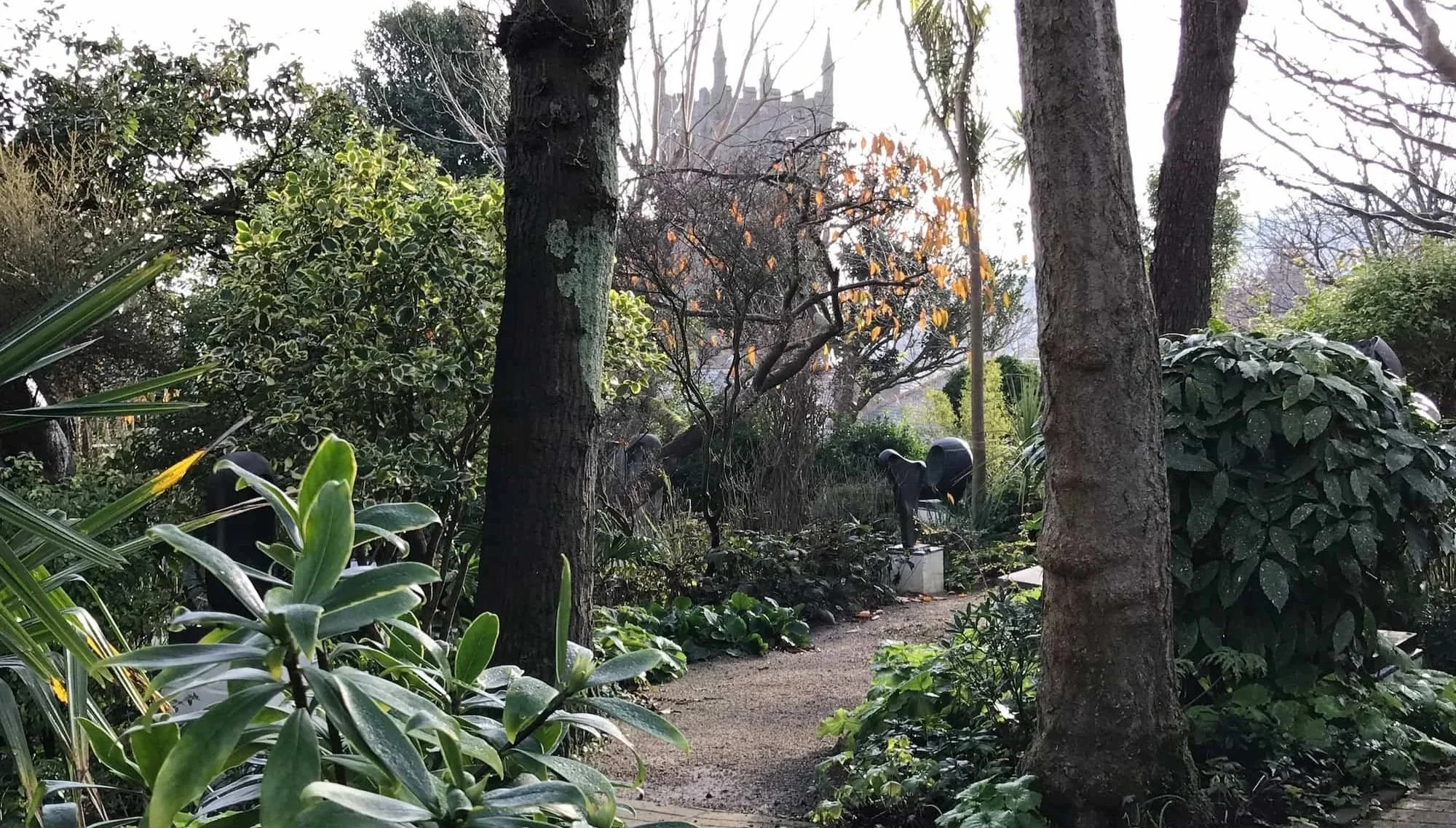
The second is structural diversity — the organisation of planting into multiple distinct layers, from canopy through shrub layer and herbaceous perennials to ground cover. Structural diversity increases the range of ecological niches available to wildlife, improves the efficiency with which the planting uses available light, water, and nutrients, and creates the physical complexity that buffers microclimatic extremes at ground level. A well-structured garden with genuine vertical layering experiences less drought stress at soil level, supports a wider range of invertebrates, and suppresses weed establishment more effectively than a structurally simple planting — all of which contributes directly to resilience.
The third is plasticity — the capacity of individual species to adapt their physiology and growth in response to varying conditions. A garden planted predominantly with plastic species, those capable of tolerating a range of environmental stresses rather than being optimised for a specific set of conditions, has a wider margin of resilience than one planted with species that perform superbly in average conditions but have a narrow tolerance for deviation from those conditions. Plasticity is, alongside functional redundancy and structural diversity, one of the primary criteria I apply when selecting species for garden planting in a climate-adapted context.
The fourth is response diversity — a subtler concept but an important one. Response diversity refers to the range of different ways in which species performing similar functions respond to the same disturbance. If all the species providing nectar in a garden respond to drought stress in the same way — by shutting down simultaneously — then a drought year will leave pollinators without food regardless of how many nectar-providing species are present. But if those species respond to drought differently — some shutting down early, others continuing to flower, others recovering quickly once moisture returns — then the function of providing nectar is maintained across the full range of conditions.
Building response diversity into garden planting requires knowing, at a fairly detailed level, how different species respond to specific stresses. It is the kind of knowledge that comes from sustained practical observation combined with engagement with the horticultural and ecological research literature — exactly the combination that professional horticultural training and practice is designed to develop.
But ecological gardening is not the only context in which resilience thinking applies, and it is important not to conflate the two. A formally designed garden, a heritage garden with strong requirements for historical authenticity, or a contemporary planting scheme with clear aesthetic intentions can all be managed with resilience principles in mind without becoming ecological or naturalistic gardens in the stylistic sense. The principles of functional redundancy, structural diversity, plasticity, and response diversity are applicable across all garden styles and contexts — they are management principles, not aesthetic ones.
Ecological gardening — designing and managing gardens according to principles drawn from how plants behave in natural ecosystems — is the most direct practical application of resilience thinking in a garden context. The layered planting structures, the biodiversity emphasis, the preference for species plants over cultivars, the attention to soil health as a foundation for everything above ground — all of these reflect, in one way or another, an understanding of how ecological resilience is built and maintained.
The relationship between resilience and ecological gardening
This is an important distinction for professional horticulturists to make clearly. Clients who are attached to the formal or traditional character of their gardens, and who are resistant to naturalistic or ecological aesthetics, are not necessarily resistant to resilience-informed management. They may be very receptive to management approaches that deliver long-term reliability and reduce the frequency of plant failures — which is exactly what resilience-informed management provides — if those approaches are presented in practical rather than ecological terms.
Soil as the foundation of resilience
Any serious discussion of ecological resilience in gardens must give significant weight to soil — because healthy, biologically active soil is the foundation on which all other resilience depends.
Soil in good condition is not simply a growing medium. It is a complex, living ecosystem in its own right — supporting a community of bacteria, fungi, invertebrates, and other organisms whose interactions underpin plant health in ways that are only beginning to be fully understood. Mycorrhizal fungi, which form symbiotic relationships with the roots of most plant species and dramatically extend their effective reach through the soil, are perhaps the best known of these relationships. But the interactions extend much further — into nitrogen cycling, phosphorus availability, water retention, disease suppression, and the structural properties that govern how soil behaves under drought and waterlogging.
Healthy soil is more drought-resilient than impoverished soil, because its organic matter content gives it significantly greater water-holding capacity. It is more flood-resilient, because its biological activity and structural complexity allow it to absorb and process excess water more effectively. It produces healthier, better-rooted plants that are more resistant to pest and disease attack. And it supports the belowground biodiversity that underpins aboveground ecological function in ways that are rarely visible but are fundamental to everything that happens in a garden.
Building and maintaining soil health is therefore not a separate management task from building ecological resilience — it is the same task, approached from below ground rather than above. The practical implications are well established: minimising soil disturbance to preserve the hyphal networks of mycorrhizal fungi; building organic matter through mulching and the return of plant material to the soil; avoiding compaction through thoughtful access management; and reducing or eliminating chemical inputs that disrupt soil biology. These are practices that improve resilience at every level of the garden system, from the invisible microbial community in the soil to the visible canopy above.
Monitoring as a resilience practice
One of the most undervalued components of resilience-informed garden management is systematic monitoring — the practice of observing the garden carefully and regularly, with the specific intention of detecting early signs of stress, change, or decline before they develop into significant problems.
Resilient systems are not systems that never experience disturbance. They are systems that detect and respond to disturbance quickly enough to maintain function through it. In garden terms, this means that the speed and quality of the response to a pest outbreak, a drought stress event, a fungal infection, or the gradual decline of a key species is as important to resilience as the underlying ecological structure of the planting.
Effective monitoring requires both knowledge and attention — knowing what to look for, understanding what observed symptoms indicate, and having the experience to distinguish significant early warning signs from normal seasonal variation. It is one of the areas where professional horticultural knowledge adds most value to garden management, because the gap between what a trained eye notices and what an untrained one misses is greatest in exactly the early-stage, subtle signs that are most important to catch quickly.
The discipline of monitoring also builds over time a detailed, site-specific record of how the garden responds to different conditions — which species struggle in dry years, which pests arrive early in warm springs, which areas of the garden are most vulnerable to waterlogging in intense rainfall events. This accumulated knowledge is itself a form of resilience, because it allows management to be increasingly well-calibrated to the specific characteristics of the garden rather than relying on generic guidance.
Resilience as a long-term investment
The most important reframing that ecological resilience thinking offers to garden management is temporal — it encourages thinking in decades rather than seasons. The interventions that most effectively build resilience — improving soil health, establishing structural planting diversity, building functional redundancy through species selection, developing a monitoring practice — are all investments whose returns accumulate gradually over time rather than delivering immediate visible results.
This creates a genuine challenge in communicating the value of resilience-informed management to garden owners accustomed to evaluating gardens by their immediate appearance. A garden managed primarily for aesthetic impact in the short term will often look more impressive in the first few years than one managed with a longer-term resilience focus. The difference becomes apparent when conditions become difficult — when the drought arrives, the disease sweeps through, the storm causes damage — and the resilient garden continues to function while the aesthetically optimised one struggles to recover.
Making this long-term argument clearly and credibly — demonstrating through knowledge and evidence why investing in resilience now pays dividends over the lifetime of the garden — is one of the most important contributions that professional horticulturists can make to the gardens they manage and the clients they serve.
The climate projections are clear about the direction of travel. The gardens that will thrive through the middle and latter decades of this century are those that have been managed with resilience explicitly in mind — that have the ecological complexity, the soil health, the species diversity, and the monitoring discipline to absorb disturbance and maintain function through conditions that will increasingly test gardens managed by simpler, shorter-term criteria. Building that resilience is not a luxury or a specialist interest. It is the core task of intelligent garden management in a changing climate.
Jodi Dickinson MHort(RHS) is a professional horticulturist and head gardener at the Barbara Hepworth Museum and Sculpture Garden, St Ives. His RHS Master of Horticulture dissertation examined climate change adaptation strategies for public gardens in Cornwall. Juniper Gardens provides specialist garden maintenance, garden design and ecological garden care across mid and west Cornwall. View Jodi's full profile here.