
Species Plants vs Cultivars: Why the Climate Crisis Is Changing What We Should Grow
Walk into any garden centre in Britain and the overwhelming majority of plants on sale will be cultivars — selected, bred, or propagated for specific aesthetic qualities that make them attractive to buyers. Larger flowers. More intense colour. Compact habit. Double blooms. Extended flowering season. These are the qualities that sell plants, and the horticultural industry has become extraordinarily efficient at producing them.
The question that climate change is forcing us to ask — with increasing urgency — is whether this dominance of cultivars over species plants is a vulnerability that the British garden has not yet fully reckoned with. Whether, in selecting so consistently for aesthetic qualities, we have inadvertently bred out precisely the environmental robustness that gardens will need most in the coming decades. And whether a serious reengagement with species plants — those closest to wild forms, carrying the full genetic inheritance of their evolutionary history — represents not a step backwards in horticultural sophistication but a genuinely forward-looking response to the challenge ahead.
The argument is more nuanced than a simple species good, cultivar bad framing. But the direction it points in is, I believe, clear — and more important to the future of British gardening than it has yet been widely acknowledged to be.
What the distinction actually means
A species plant is one that exists in essentially the same form as it does in the wild — unchanged, or minimally changed, by human selection or breeding. Its genetic makeup reflects the full range of adaptations that allowed it to survive and reproduce in its native environment over thousands of generations. Those adaptations include responses to drought, flooding, wind, temperature extremes, pest attack, and disease — the full spectrum of environmental stresses that the plant's ancestors encountered and survived.
A cultivar — a cultivated variety — is a plant that has been deliberately selected or bred for specific characteristics that are valued in a garden context. Sometimes this selection is relatively superficial, preserving most of the plant's original resilience while enhancing its aesthetic qualities. But selection is never entirely neutral. Every time a breeder selects for a particular trait — flower size, colour intensity, compact habit — they are, whether intentionally or not, also selecting against the traits that were not their focus. Environmental robustness, root system development, stress response mechanisms — these are rarely what breeders are optimising for, and they can be diminished in the process of optimising for something else.
Hybrids add a further layer of complexity. Some hybrids benefit from what geneticists call hybrid vigour — an enhanced robustness that can result from the combination of two genetically distinct parent lines. But hybrids also typically lose the provenance information that tells you where a plant originally evolved and what conditions it is adapted to cope with. A hybrid may perform well in average conditions while being significantly less resilient than either of its parent species when conditions become extreme.
The case for species plants is not purely theoretical. There is a growing body of practical and research evidence suggesting that species plants, particularly those of known wild provenance, outperform cultivars under environmental stress in ways that matter increasingly as climate change intensifies.
Research comparing hybrid primulas with their wild parent species found that the hybrids were significantly less able to cope with flooding than their parents — despite, or perhaps because of, the breeding process that had made them more visually appealing garden plants. The specific physiological mechanisms that gave the parent species their flooding tolerance had been partially compromised in the hybrids, even though flooding tolerance was never a target trait in the breeding programme.
The evidence for species resilience
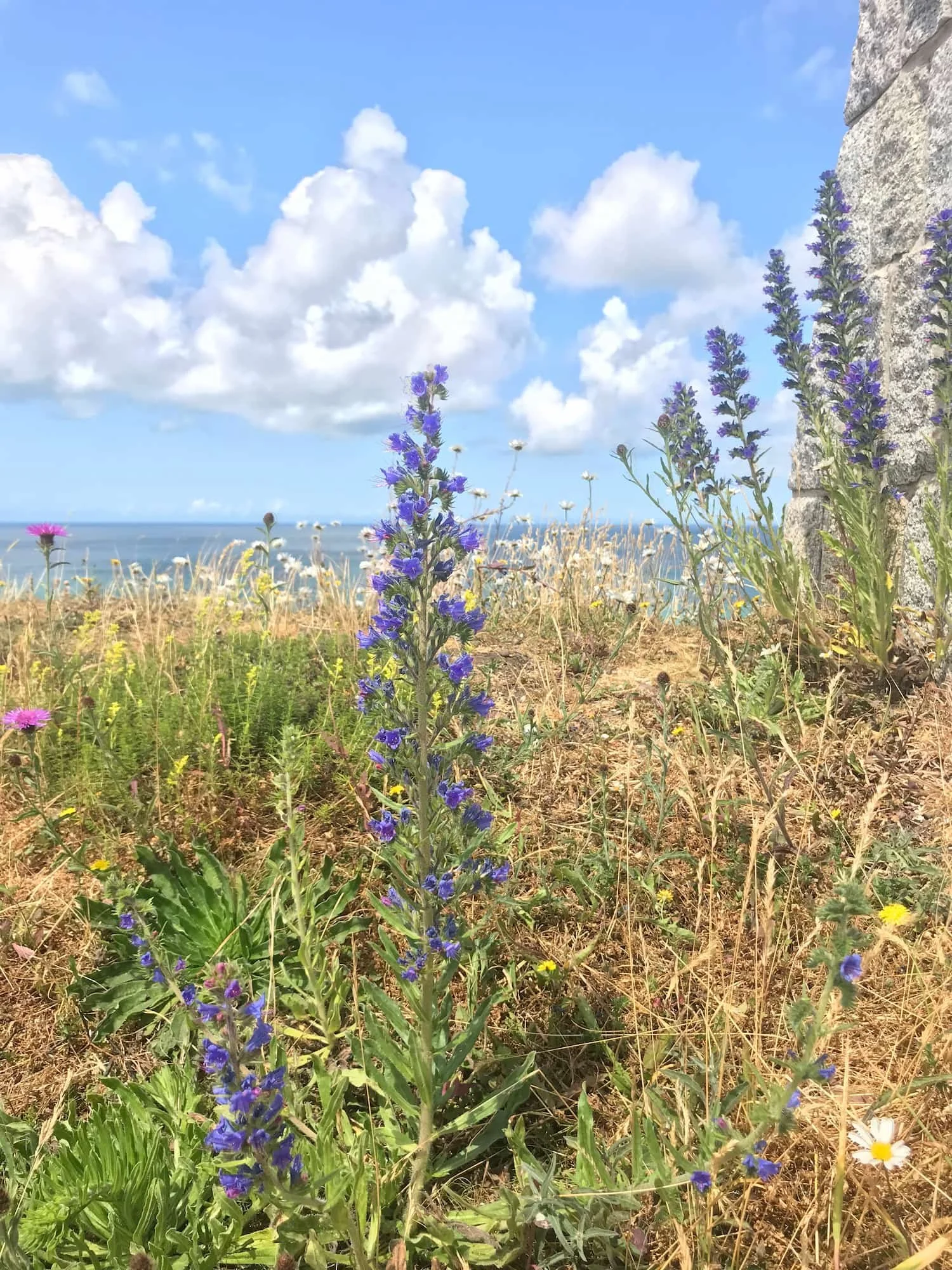
This finding is illustrative of a broader principle. Environmental stress responses in plants are complex, integrated systems — not isolated traits that can be selected for or against independently. When breeding programmes focus on a small number of target traits, the collateral effects on other parts of the plant's physiology can be unpredictable and difficult to detect until the plant is subjected to conditions that reveal them. The gardener who discovers that a celebrated cultivar performs poorly in a drought year may simply be observing the downstream consequence of selection decisions made by breeders decades earlier.
Practitioners working at the ambitious end of Cornish horticulture — a climate already at the leading edge of what climate change will bring to much of Britain — have drawn similar conclusions from their own experience. The preference for what one contemporary garden manager described to me as primitive-led, wild-collected species over cultivars and hybrids reflects not sentimentality about wild plants but a hard-won practical understanding that species plants, in genuinely challenging conditions, tend to be more forgiving and more resilient than their cultivated
The provenance dimension
One of the most important and most underappreciated aspects of the species plant argument is provenance — the geographical origin of the plant material from which a specimen has been grown.
Plants are not uniform across their natural ranges. A species with a wide distribution — from southern Spain to northern Scotland, say, or from sea level to mountain — will typically show significant genetic variation across that range, as local populations have adapted over generations to the specific conditions of their particular location. A plant grown from seed collected in a dry, warm southern provenance will behave differently from one grown from seed collected in a wet, cool northern provenance, even though both are nominally the same species.
This provenance variation is, from a climate adaptation perspective, both a challenge and a resource. The challenge is that plants introduced from provenances very different from the conditions of the garden they are being planted into may perform poorly, even if the species as a whole is considered suitable. The resource is that the range of genetic variation within many species is wide enough to provide material adapted to a considerable range of conditions — including conditions closer to what British gardens may experience in the future than those they experience today.

The concept of climate analogue planting — identifying regions that currently have the climate Britain is projected to have in coming decades, and sourcing plant material from those regions — represents a sophisticated application of this provenance thinking. If Cornwall's future climate will resemble that of Galicia in northwest Spain today, then seed-grown material from Galician provenances of relevant species may be better adapted to Cornwall's future conditions than material from British provenances of the same species. This is not a simple or universally applicable principle — plants grown as cultivated specimens often perform outside their natural ranges in ways that provenance modelling does not predict — but it provides a framework for plant selection that is more rigorously future-oriented than simple species identification.
Where cultivars still have a place
The argument for species plants is not an argument for the elimination of cultivars from British gardens. Cultivars have genuine value, and a blanket preference for species plants would unnecessarily restrict the available plant palette and discard much of what makes contemporary garden design so rich and varied.
The right framework, I would suggest, is one of appropriateness rather than categorical preference. For structural planting — the trees, large shrubs, and framework plants that will define a garden's character for decades — species plants or cultivars with well-documented resilience should be strongly preferred. The long-term consequences of a structural plant failing are significant enough to justify the additional care required to select for proven robustness rather than simply aesthetic appeal.
For shorter-lived or more easily replaced planting — seasonal interest, container plants, annual or biennial colour — the case for cultivars remains strong. The resilience argument applies with less force to plants that will be replaced within a season or a few years, and the aesthetic advantages of well-chosen cultivars in these roles are real and significant.
For plants occupying ecological roles — providing nectar, berries, or habitat for specific wildlife — species plants are strongly preferable to cultivars in most cases, since the ecological relationships that wildlife depends on have evolved with the species plant rather than the cultivar. The double-flowered cultivar that cannot be accessed by pollinators, the sterile hybrid that produces no berries, the compact form bred to reduce seed production — these are plants that have been aesthetically improved at the direct expense of their ecological value.

The nursery industry challenge
One of the most significant practical obstacles to a broader adoption of species plants in British gardens is the structure of the nursery industry. Commercial plant production is optimised for uniformity, predictability, and the kind of consistent aesthetic quality that makes plants easy to sell from a garden centre bench. Species plants, particularly those grown from seed of known wild provenance, are inherently more variable — individual specimens will differ from each other in ways that a clonally propagated cultivar will not. That variability is, from a genetic resilience perspective, a strength. From a commercial perspective, it is a complication.
The result is that most of the plants available to British gardeners through mainstream retail channels are cultivars — not because species plants are horticultural inferior, but because they are harder to produce and market at scale. Sourcing species plants of good provenance requires more effort: engagement with specialist nurseries, seed suppliers, and botanic garden seed banks rather than a trip to the local garden centre.
This is changing, slowly. Growing interest in ecological gardening, in native plants, and in climate resilience is creating demand that specialist nurseries are beginning to meet. But the mainstream of British horticulture has not yet shifted significantly, and the gap between what the climate adaptation argument suggests we should be growing and what the average garden centre makes available remains wide.
A plant industry that selects primarily for short-term aesthetic appeal, that measures success by units sold rather than long-term garden performance, and that has little commercial incentive to invest in the genetic diversity and provenance documentation that climate resilience requires, is an industry that is not well aligned with the direction that horticulture needs to travel. This is not a criticism of the individuals and businesses within that industry, many of whom are genuinely knowledgeable and genuinely concerned about the future of British horticulture. It is an observation about structural incentives that need to change if the industry as a whole is to serve the needs of British gardens in a climate-changed future.
A call for horticultural honesty
The deeper challenge that the species versus cultivar debate exposes is one of honesty — about what the horticultural industry is optimising for, and whether those priorities are still aligned with what British gardens actually need.
A plant industry that selects primarily for short-term aesthetic appeal, that measures success by units sold rather than long-term garden performance, and that has little commercial incentive to invest in the genetic diversity and provenance documentation that climate resilience requires, is an industry that is not well aligned with the direction that horticulture needs to travel. This is not a criticism of the individuals and businesses within that industry, many of whom are genuinely knowledgeable and genuinely concerned about the future of British horticulture. It is an observation about structural incentives that need to change if the industry as a whole is to serve the needs of British gardens in a climate-changed future.
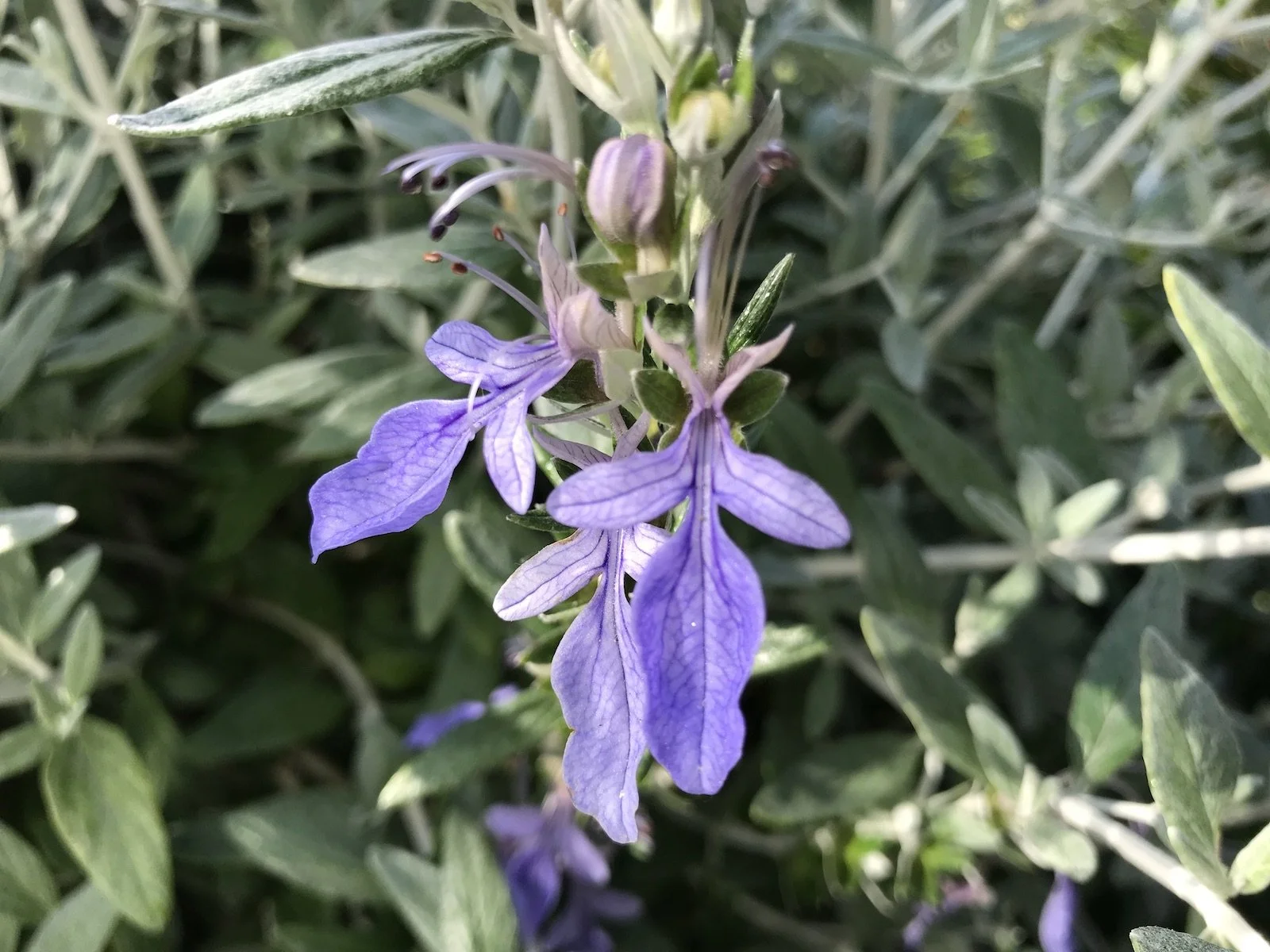
Professional horticulturists — those with the knowledge to evaluate plant resilience beyond the immediate visual appeal of what is available at retail — have a responsibility to be honest with clients and with the wider public about these limitations. To recommend species plants when species plants are the right choice, even when they are harder to source and less immediately spectacular than the cultivar alternatives. To document and share experience of how different plants perform under stress, building the practical knowledge base that the industry needs to make better decisions. And to advocate within their professional communities for the changes in nursery practice, horticultural education, and plant labelling that would make it easier for everyone to make better-informed choices.
The climate crisis did not create the species versus cultivar question — it has been a legitimate subject of horticultural debate for decades. But it has changed the stakes of the answer. Gardens planted primarily with cultivars optimised for aesthetic appeal in average conditions are gardens that are poorly prepared for the environmental stresses of the coming decades. The knowledge to do better exists. The plants exist. What is needed is the will to prioritise long-term resilience over short-term visual impact — and the honesty to say clearly why that matters.
Jodi Dickinson MHort(RHS) is a professional horticulturist and head gardener at the Barbara Hepworth Museum and Sculpture Garden, St Ives. His RHS Master of Horticulture dissertation examined climate change adaptation strategies for public gardens in Cornwall. Juniper Gardens provides specialist garden maintenance, garden design and ecological garden care across mid and west Cornwall. View Jodi's full profile here.